Review – Art & Parcel (September 2016)

Art & Parcel is a monthly subscription service for art supplies from H. Blyth & Co. It’s like a Lootcrate, but for art supplies; so it’s way better than a Lootcrate (my opinion). But with so many of these monthly-blind-subscription-service things around, what makes this one special enough to look at? (Answer: Art supplies) And is it worth it to get one?
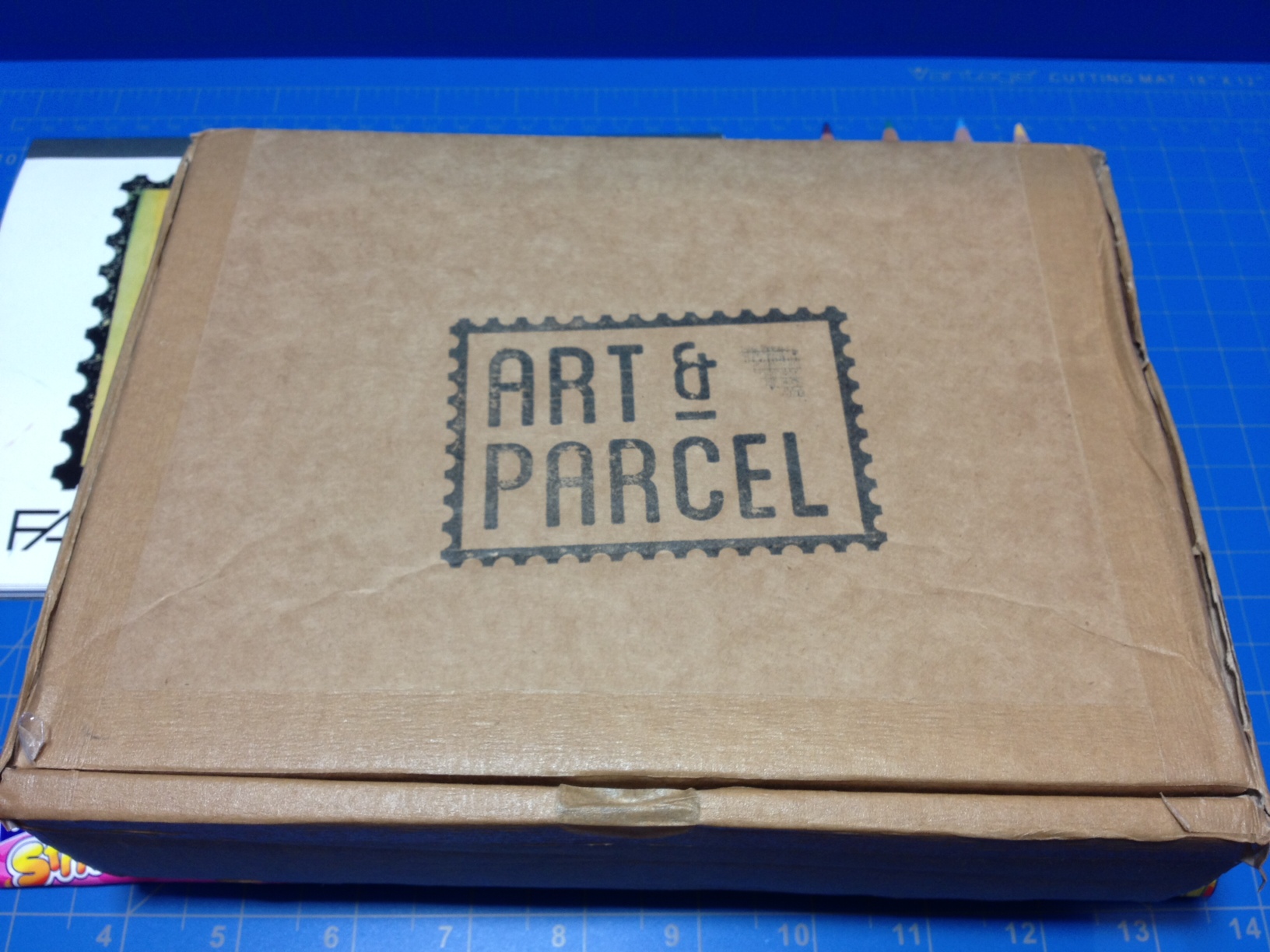
photo-217

(Couple of notes here: I got this parcel for free {and even though I got to pick one, I didn’t get the one I picked, so the picking part won’t influence the review} for review, and I live in the US where the “subscription” part of this service is unavailable. From what I can tell that means that I would have to pay up front as a lump sum to get my parcels, instead of being able to pay by the month, this also means that shipping cost is terrible to get them here, £16 (About $20) is a steal for these products, and the shipping in the UK is a great deal too, even throughout the rest of Europe it doesn’t exceed the price of the items like it does coming to the US)

photo-226

The one I am going to be looking at today is September’s parcel, which is focused mainly on colored pencils, but first I’ll talk quickly about the packaging. Mine was shipped in a bubble envelope, inside of which was a very nice cardboard box that was very well sealed with brown tape. On the top the Art & Parcel logo is printed very plainly, and on the bottom in pencil there is the month. (My box was a bit dented, but this is likely from the post office as, due to my schedule, the box had to be sent through the post twice) Inside is a nice packing slip that explains everything that is in the box along with its regular retail price (if that’s anything to go on you save a pound or two from buying the items individually in this set). All of the materials are neatly and securely wrapped in a newsprint/tracing paper that is sealed with a sticker of the Art & Parcel logo. It is all very well executed and nothing got damaged.

photo-220

The first items in this box were four Faber-Castell Polychromos pencils. I am no stranger to these pencils (they were the subject of one of my first {and not as well written} reviews), though I don’t have these particular colors: Naples Yellow, Light Phthalo Blue, Chrome Oxide Green Fiery (wonderful name that), and Red-Violet. I think the choice of colors is a bit strange, but they are definitely useful, and give a better representation of the pencils abilities than a plain RGB or RYB would have. There’s not much more to say there since they are some of the best colored pencils around. One thing I do really like about them is the fact that they layer so that some colors can somewhat be on top of other colors, unlike the cheaper colored pencils where they’re pretty mutually exclusive.

photo-225

Next is the KOH-I-NOOR Hardtmuth Magic pencil, which is basically a fat colored pencil that has a “lead” made up of the 3 RYB colors. This means that as you write or color with the pencil it changes, and the colors mix together to create a nice gradient effect. In practice the yellow mixing with both the red and blue works great, but the purple almost looks black and rarely shows up, and getting a nice solid version of one of the primary colors is very difficult, so the gradient looks more green and orange than anything else. I would bet that with some practice and odorless mineral spirits with a blending stick that it could produce wonderful effects, but I would still have trouble finding a use for it.

photo-224

Third up is another Faber-Castell product; one of their Pitt Artist Brush Pens, another item I’ve looked at in the past, though this is a different version. It’s a “big brush” and the body of the pen is over a half inch in diameter, a bit chunky for me but still very easy to hold on to and surprisingly comfortable. The color is “Cold Grey IV” which seems to be in the middle of the grey family, and the brush is very fat, going from lines of about ½mm to almost 5mm. It’s also got all of the stuff you want out of an ink: waterproof, lightfast, and archival quality. But I’m not really sold on how it fits with the rest of the stuff here. It is a grey, which makes it more like a pencil when sketching, but going over the same place multiple times does make it darker. It’s just strange to me, but then again I have a very different style to most people, and playing around with a new brush pen is always fun.

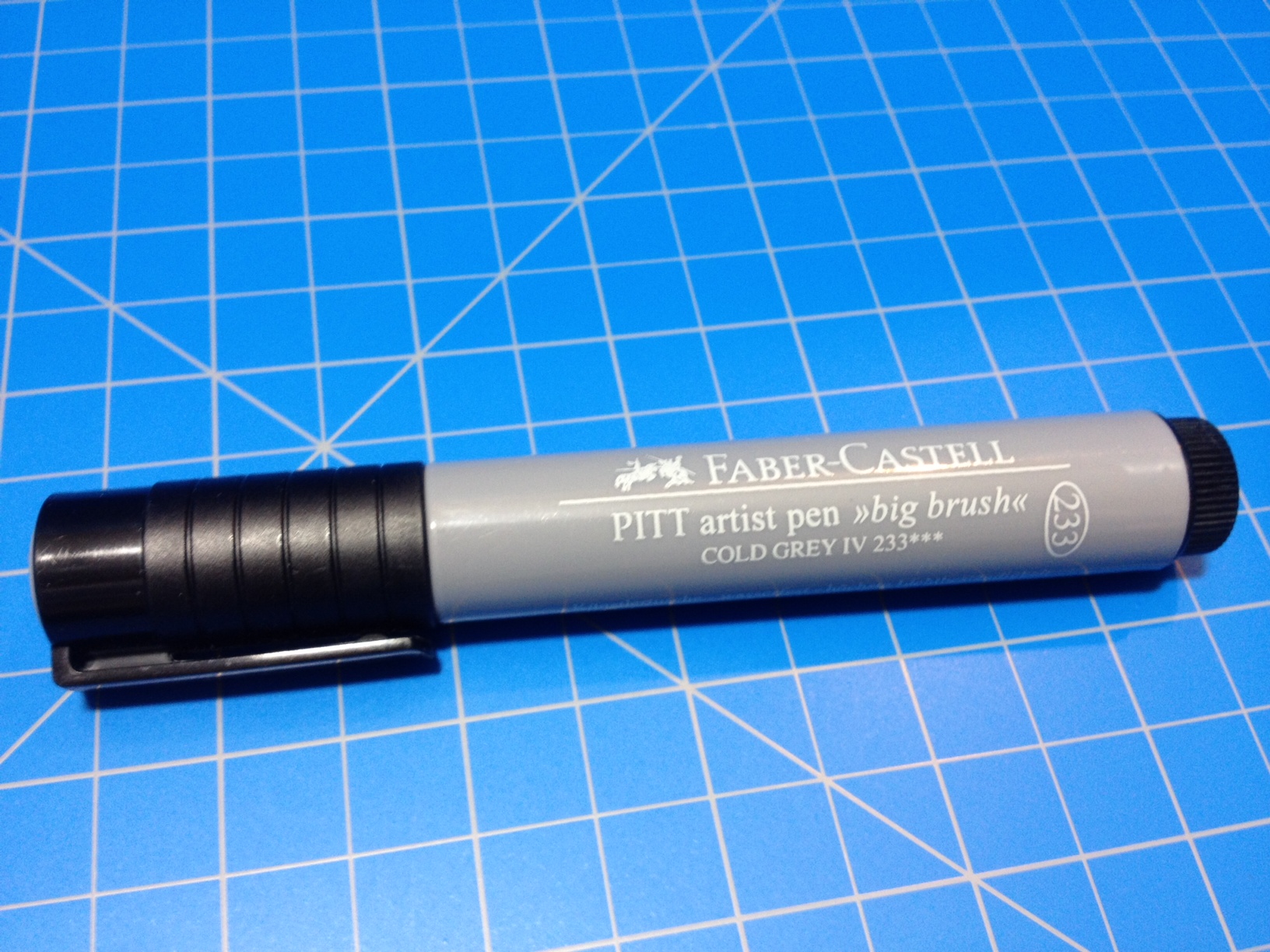
photo-222 photo-223

And the final item included is a 10-sheet pad of watercolor paper. It’s made by Fabriano but has the Art & Parcel logo again on the front. It’s A5 size, which is about 6” x 8” and is a hefty 300gsm. It handily took everything I threw at it without flinching, bleeding, or feathering. Sharpies, calligraphy pens, and brush pens push most papers to the limit, but this stuff is truly meant for paint (watercolor at least), which I don’t have too much of lying around (in accessible areas, I did have some tempera and it handled that very well), but it seems easily capable of handling it. A liberal application of water will turn it in to one big slight buckle, but that’s about it. My only complaint is that there are only 10 sheets.

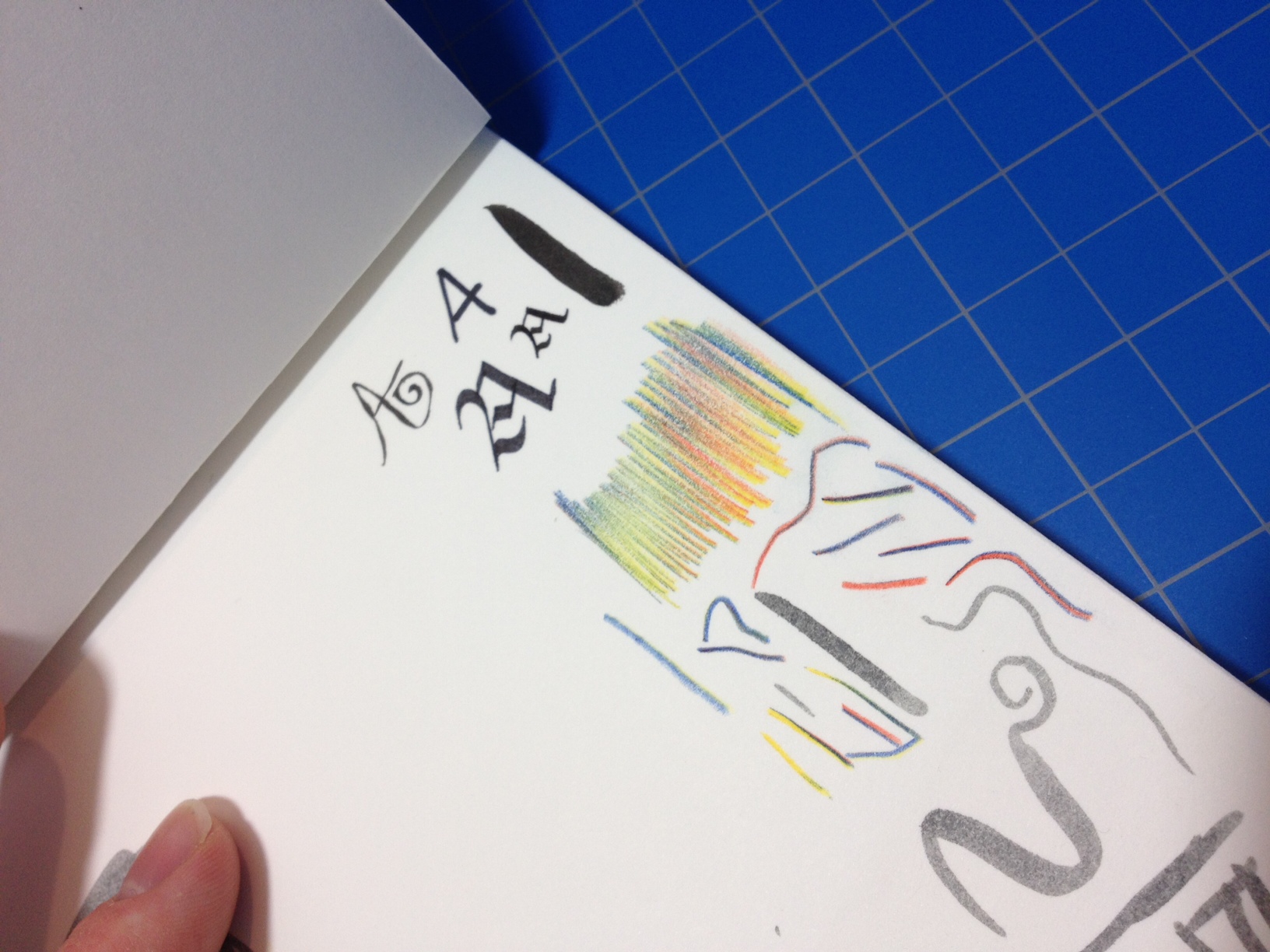
photo-218photo-219photo-221

Overall I’m very satisfied with this box. It’s well worth the money and provides several products that work in tandem, allowing you to start creating right out of the package without having to look for more materials. From what I can tell, this is true of the previous parcels as well, but each one comes based in a different medium. The subscription would be relatively inexpensive way to try out something that might not be in your comfort zone without having to do a lot of research or spend time picking out and ordering products. It was honestly really hard for me to try and pick out a parcel I wanted. The recent ones at least were all super cool (and they can be purchased even after the subscription goes out, so nobody needs to miss out like with other sub boxes) and I’d be signing up right now if shipping to the US didn’t more than double the price (damn the postal service(s)). I really like this box. It’s given me a bunch of cool stuff to play around with (and a Haribo candy to eat*) and if the idea of getting a bunch of high quality art goodies in the mail every month appeals to you I would recommend it.

photo-227

*I ate it; it was good (like a softer laffy-taffy).
Review – Bic Xtra-Fun Pencils

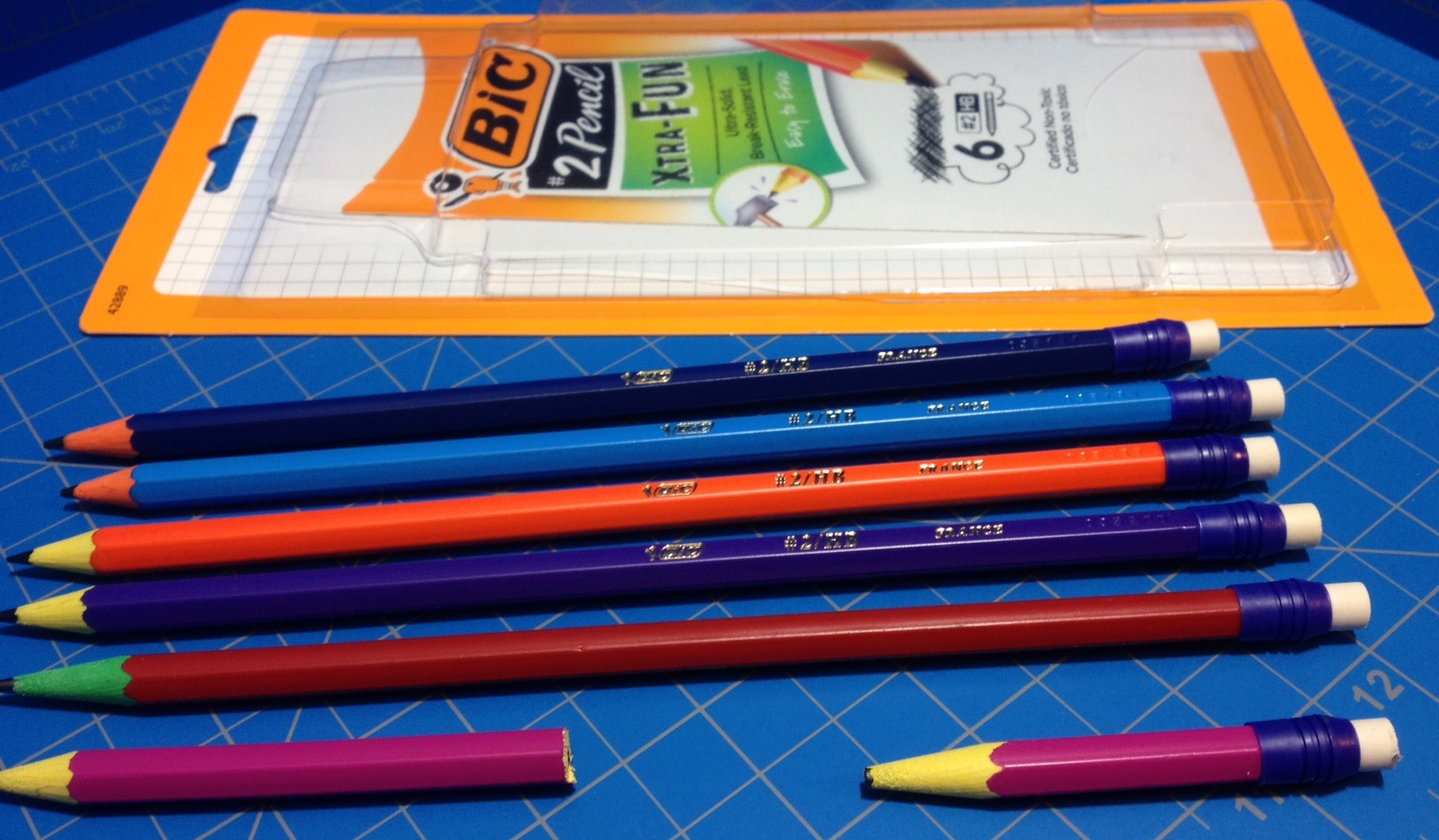
Sometimes I’m a sucker for buying new things for the novelty, and I think that’s what Bic is counting on (except I think their target market is children) with the Xtra-Fun series of pencils. At first (and second) glance they appear to be regular #2 pencils in wacky, fun colors. But are they usable?

photo-207photo-209photo-214

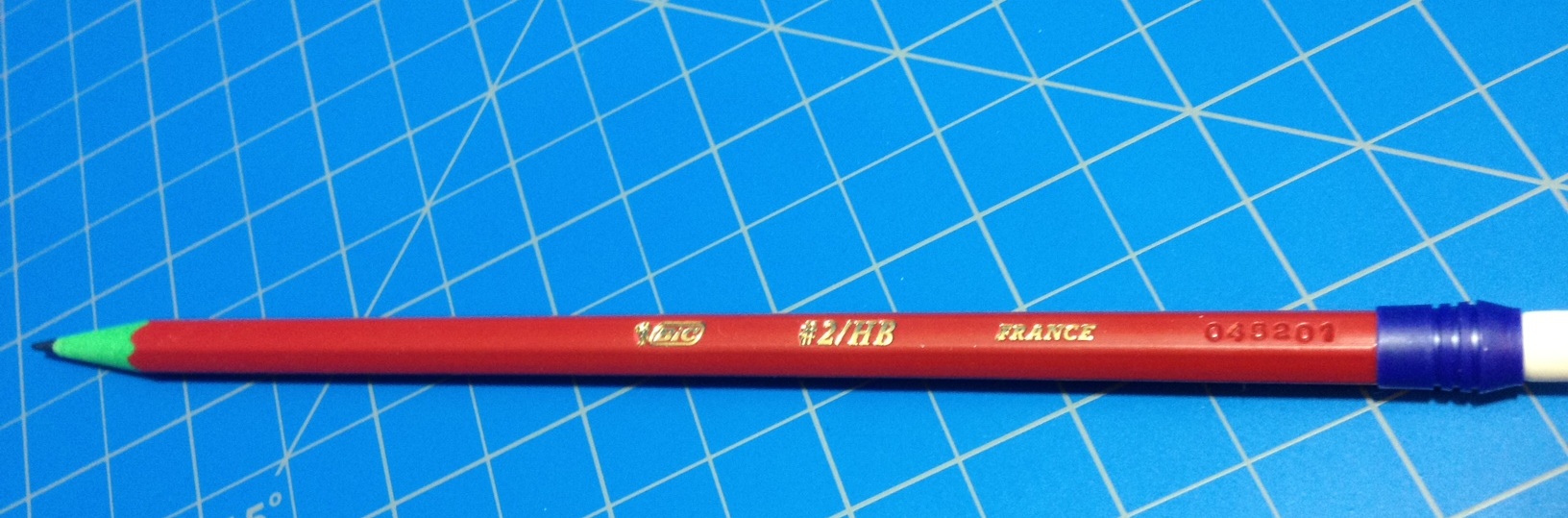
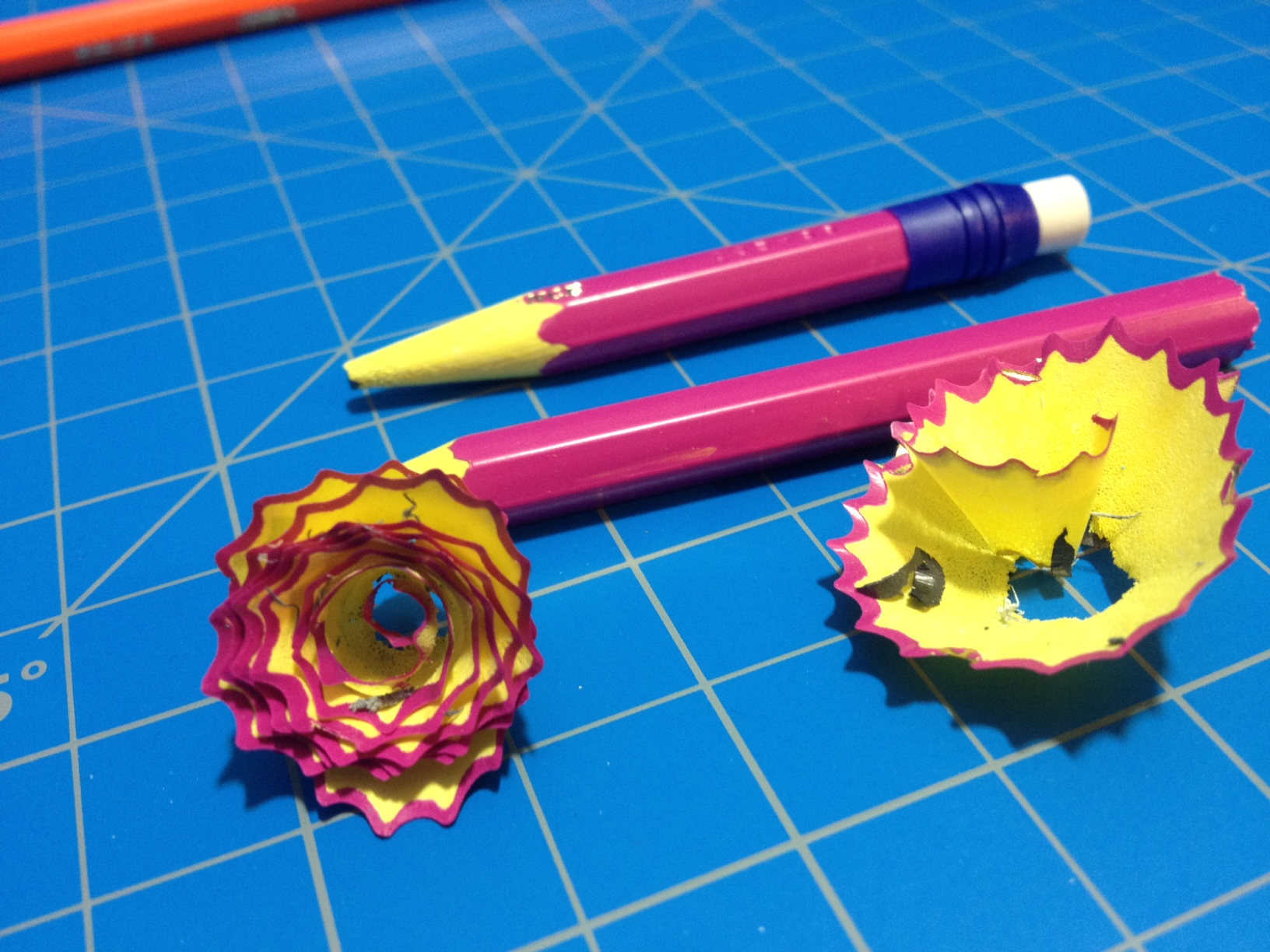
For the most part these pencils are pretty standard: a “wooden” hexagonal body with general information stamped and inked into one of the facets (each pencil also appears to have a unique number stamped but not inked into it; I am unsure of its significance). The most obvious differences between them and regular pencils is the bright-colored paint on the outside with the inside dyed a different (usually mismatched) color, and that the standard metal eraser holder has been replaced with a much larger diameter plastic one. The body looks and feels at first like a regular wood pencil, but after sharpening and handling it for a bit I would say that if it isn’t a type of plastic it is a “flaked and formed” wood that uses a different process than most pencils to give it more plasticity.

photo-210photo-213

The performance of the lead is as expected, on the soft side of middle-of the road. Not much precision is possible, nor shading; it’s good for scantrons and notes. The eraser is of the white variety, and actually very decent, erasing most typical writing lines without seeming to disappear before your very eyes. In fact, the most disappointing thing about this pencil is its structural integrity. It bends very easily, and much more so than a regular pencil. Simply handling it will result in finding out how easily it bends, which is worrisome in general, but added to by the fact that when I was using these pencils I began to sharpen one, and the tip broke off every time I was just getting to a point, down until there was no more pencil to put in the sharpener. Thus, one of my pencils was rendered entirely useless, and I hadn’t really played with the plasticity of that one, so I would definitely call it a defect, and one that makes it hard to recommend these pencils, especially for children.

photo-212 photo-211

I probably won’t be buying any pencils from this range again, but that would’ve still been the case had they been good pencils. But with such an easy to encounter (albeit not in the intended usage case) flaw that essentially ruins the pencil’s penciling ability, I have to say I wouldn’t be able to recommend them to anyone. The colors are also terrible but I suppose some have different (perhaps more X-treme) tastes than I, so I can’t particularly fault it there.

Review – Paper:Mate Mates Mechanical Pencil

The Paper:Mate Mates is obviously designed to be child’s pencil, considering that they unusually come in various colors or with various princesses or comic book characters. But the reason I have one is because it was given to me. I’m a thin lead kinda guy (0.5 most of the time) and the Mates only come in one size: 1.3mm. So they’re a cheap way to get the feel of a larger lead for those of us not used to it. But how does the rest of it work?

photo-135

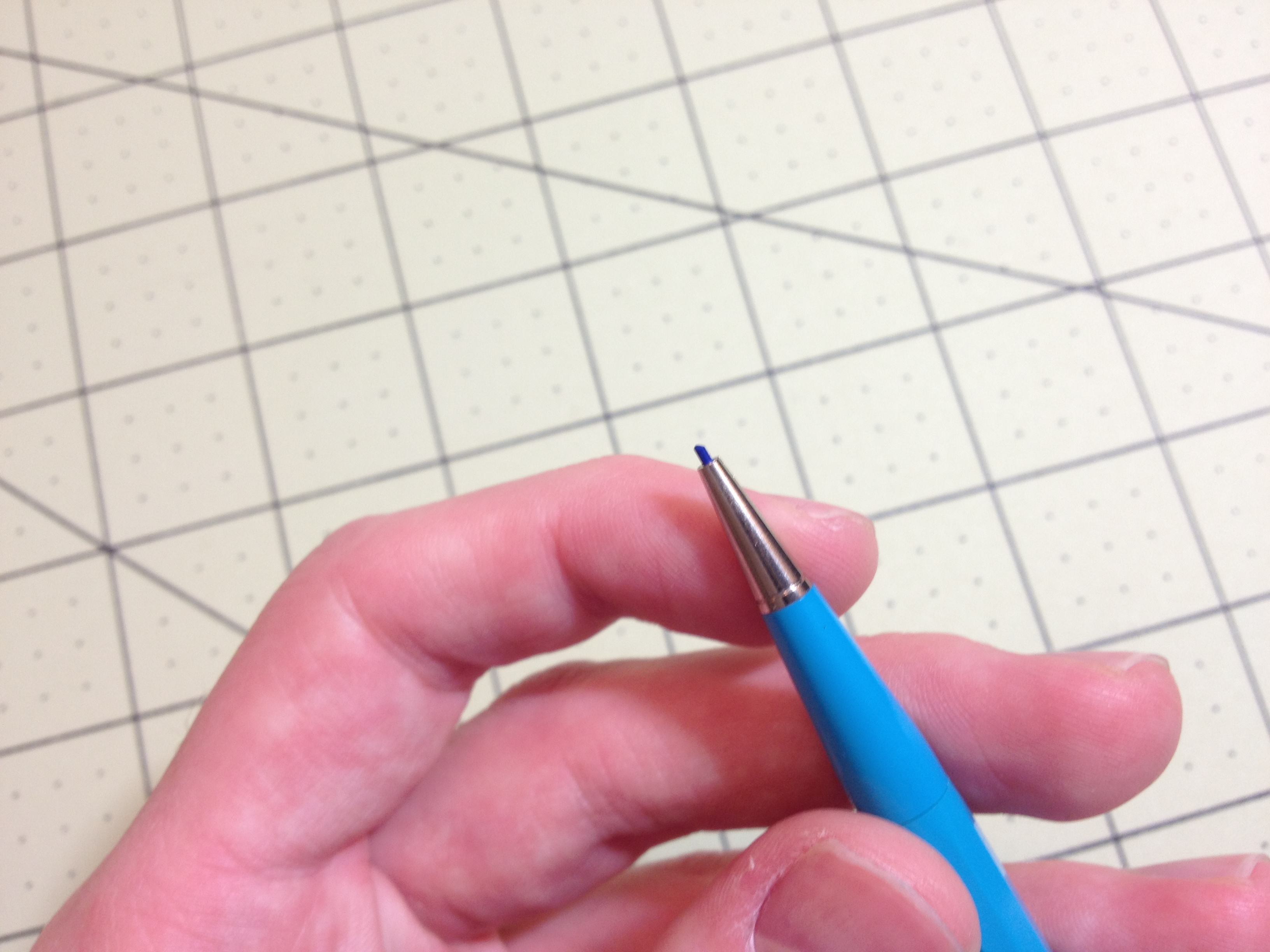
The most interesting thing about this pencil is the body, which is a rounded-off triangular shape. It seems built up from a more standard size. Most ballpoint pens or (non-mechanical) pencils could fit inside of the Mates with no problem. It’s also longer than most other pens and pencils I have lying around. The overall design is very simple; it’s made to resemble a regular pencil. There is a triangular eraser on the back that is plugged into the back of the lead tube. It then expands to fit with the edge of the plastic it is held in by and creates a more “seamless” look. This bit is also the click-advance mechanism. Following that, there is some styling in the plastic that is meant to resemble the metal bit holding the eraser in on wood pencils. And beyond that is a smooth triangular barrel (with enough information printed on it) followed by a taper that is a little roughed up and meant to look like a sharpened wood pencil. There is no pipe to hold the lead here; it simply comes out of the end.

photo-136

Writing is simple, and what one would expect from a #2 pencil: smooth and somewhat dark. Due to the size of the lead, though, a lot more expression can be obtained from this pencil, as the lead can be flattened on one side and then flipped to allow for swapping between a very thin and very broad line. The triangular shape both helps and hinders this, making it easier to precisely rotate the pencil, but hard to exactly flip it over. The shape and the length, though, help the pencil ergonomically quite a bit, making the user in general much less prone to hand fatigue and cramping when using it for long periods of time. The fact that it is quite light for its size also helps with this, but contributes to a float-y feeling that I’m not much a fan of.

This pencil was made for kids as a school pencil. The ergonomics, large lead size, and HB (#2) lead grade all stem from filling in large amounts of scantron bubbles. But it does have other, more artistic (or even some office) uses. The lead is replaceable so it can be swapped for one more suitable for you, but a better eraser is needed. It isn’t the sturdiest pencil in the world, but there isn’t much that could go wrong with it and it should hold up in most use cases. So if you want to try out larger lead sizes pretty inexpensively, or are looking for a more ergonomic pencil experience, here would be a place to start.

Review – Autopoint All American

There are tons of pencils out there, but sometimes the old designs just call to me. And they still work very well. It’s hard to beat some of the most simple writing utensils in many cases. The Autopoint All American is not the simplest of pencils, but it is quite a classic and simple design that works very well.

photo-78

The top of the pencil is a hard, but functional, eraser held in by a metal sheath; removing this allows for access to the lead storage area. There is a metal collar that holds the clip just down from that, followed by the faceted barrel with 10 sides. This continues until the break for the twist mechanism, at which point the tip tapers down to the point of the lead. The only information is the lead size and brand on the clip, which is quite hard to read, and leaves me wishing the model name was somewhere.

photo-77

The mechanism is a simple wire-twist one that is a bit stiff to use. Once lead is inserted, one can twist to the right to advance the lead, or twist to the left and push on a hard surface to retract it. While stiff, the mechanism is quite solid, and the lead is held firmly in place. I have a .9 lead size version (in blue) and the lead is large enough that breaking isn’t very common anyway, and I haven’t found it to be a problem. The lead included is fairly standard in and of itself.

photo-76

It’s a good pencil with a classic design. The mechanism isn’t the easiest to use but it’s robust and sturdy. The pencil itself has a very utilitarian look and feel that I quite like. It feels like many of the classic pencils I have. So for those looking for a classic, rugged pencil design, this is one to look out for.

Review – Bic Atlantis Ballpoint and 0.7mm Pencil

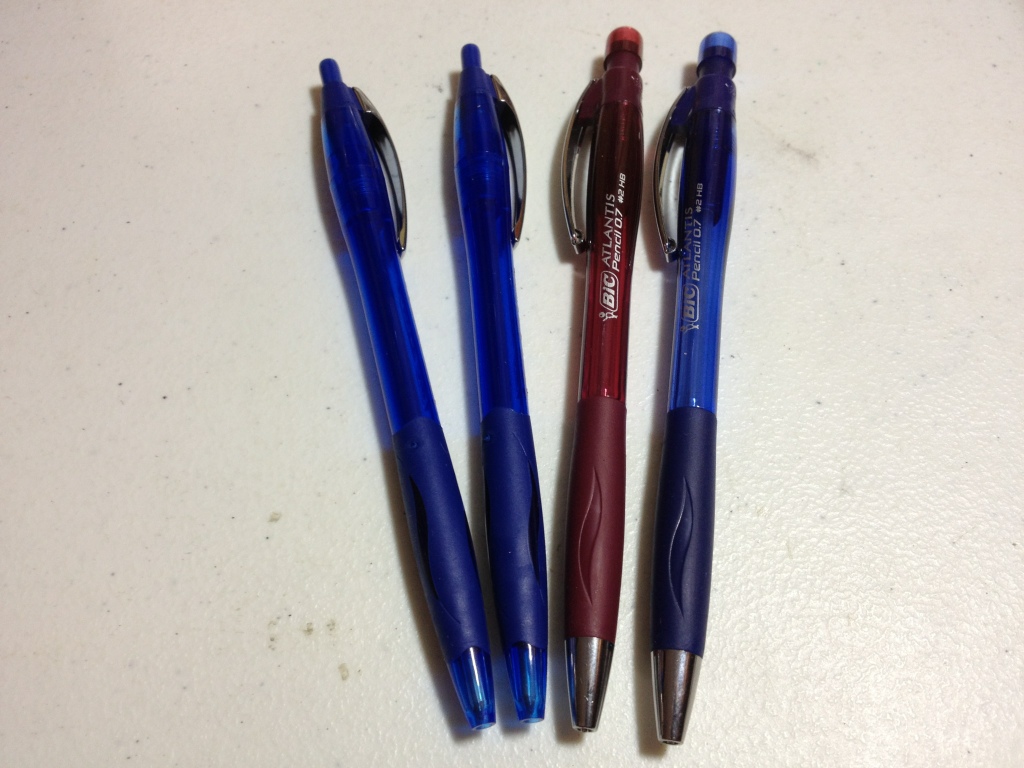
Bic is one of the most prominent manufacturers of cheap pens and pencils (and other necessary cheap plastic things). They have several lines of pens and pencils, some as expensive as a dime and some a bit more. The Bic Atlantis is a set of pencils and pens in various colors, which happen to be called the same thing. Today I’ll be taking a look at the Blue ballpoint and the 0.7mm mechanical pencil.

20140716-000746.jpg

Despite sharing a name, the pen and pencil don’t share bodies. They do have similar styling that can be described in the same way, with the pencil being slightly thicker and a bit longer. Starting from the tip, there is a small cone, metal on the pencil, plastic on the pen. This is followed by a thin, hard rubber grip which is all right, but might as well not be there, in my opinion. Within the grip it is a clear plastic wave in the pen, while the wave is impressed into the grip of the pencil. The barrel is relatively smooth and has all necessary information. Neither have a way to twist open the barrel, but around the clip both can be opened and the insides removed (the pen is glued). Above that is the clip, which is quite different on each. The pen is a very firm, stiff piece of metal, while the pencil is much more loose and is wrapped over into the plastic body. On the top is a clicking mechanism. The pen is surprisingly quiet and unsatisfying. You’d never know it clicked if you closed your eyes, but it works well. The pencil has an eraser and a cap on it, the eraser can be removed to allow the pencil to be refilled, and the clicking works well. So both are quite different, but they are similar enough to be in the same category.

20140716-000752.jpg

The pen gives a very fine line, which is quite smooth. However like most “smooth” ballpoints it tends to blob often and pick up paper fibers. The color is also, like most ballpoints, quite waterproof, meaning it won’t run without being completely and utterly soaked. The pens can technically be refilled, but they aren’t supposed to be. The pencil is standard 0.7 and HB, meaning it is smooth but not too smooth. They also have a retractable metal tip to prevent the inside of pockets and bags from being torn, and there is a spring which prevents the lead from breaking due to excessive pressure. I honestly think that HB (#2) is a bit too soft, but for most writing and sketching purposes it does quite well.

20140716-000800.jpg

Overall the Bic Atlantis set is very lopsided. The pen is standard fare and not really worth much. It doesn’t do anything better than anything else in the price range, though they are quite cheap. The pencils are twice as expensive, at least, but are much more worth it. They come with extra lead and erasers, and the spring and cover mechanisms for saving the eraser and lead are almost unique for the price. It’s a great little thing that I quite enjoy using. And it might become a sketching mainstay.

Review – Swingline Personal Pencil Sharpener

Some people might not consider a pencil sharpener an art supply. But we’re using my definition of an art supply and if it in any way helps you with art it is now an art supply. Okay, maybe not exactly, but let’s just get into this Swingline Personal Pencil Sharpener.

20130328-234251.jpg

The sharpener itself is a chunky bubble of plastic with unappealing curves. It’s designed to be different rather than practical. It’s got a dust- and scratch-attracting polish on the front and a pleasing matte finish on the back. Also in the back are several fairly useless pencil holders. Back on the front is a dent that guides your pencil into the sharpener, or more likely just breaks your lead as you try. There is also a clear plastic shaving container that can be easily removed from the front.

The entire assembly is heavy and barely moves when one is sharpening. It feels solid and almost unbreakable. And with some nice rubber feet on the bottom it stays where you put it.

20130328-234258.jpg

The sharpening itself is alright. There is no swaying or destroying of the pencil. It sharpens fast and without any clogging problems. The point, however, is not as fine as it could be. It gets the job done and definitely counts as a sharpened pencil, but I generally prefer the finest of pencil tips for my work. These are simply sufficient for me.

Overall it’s a pencil sharpener, what do you expect nowadays? The build quality is nice if misguided, and the sharpening is good but lackluster. It’s sadly one of the better sharpeners on the market, beating the X-ACTO sharpeners you see in schools and offices. It doesn’t come close to a good Boston sharpener though and if you really want to get some sharpening done that’s what I’d recommend. This is only for people who just want a decent sharpener.

Review – Sanford Design Pencils

Ah, the pencil, the fundamental unit of art (mostly). Many people will try to tell you there is a difference in the performance of different brands of pencils. While there may be it is so small that it is almost unrecognizable. The main difference between pencil brands are the aesthetics and feel. So I’ll leave finding which hardness of lead you prefer and focus on the feel of the Sanford Design pencils.

The lead obviously comes in all hardnesses, and I can verify that it does actually write. But that is not he major factor in choosing a pencil, really. This variety of pencil feels good in the hand to me personally. They are slightly smaller than the regular number 2 school pencil, and maintain the slightly uncomfortable ridges of their hexagonal design. But being small the ridges are less noticeable and help with grip on an otherwise smooth and slippery pencil. The writing on the side is clear but shiny, and in glare is hard to read, but from my experience doesn’t wear off. It has a nice feel in the hand and is not prone to slipping, but after continued use the corners do tend to dig into ones hand.

This pencil variety is my pencil of choice when it comes to art, though it doesn’t have an eraser the comfort and better lead (when compared to school pencils) makes up for it. Although I will admit that the main reason I use it is because the art stores I frequent carry it and not another brand. I recommend trying out a bunch of different pencils to see which you like best.

Review – Yellow Dollar General HB No.2 Pencils

By: Austin Smith

All right, on to the art-making things. Let’s start with pencils, specifically HB or No.2 pencils. The ones I’m reviewing today are from dollar general and are 10 cents apiece. So they’re the cheap, starting pencil.

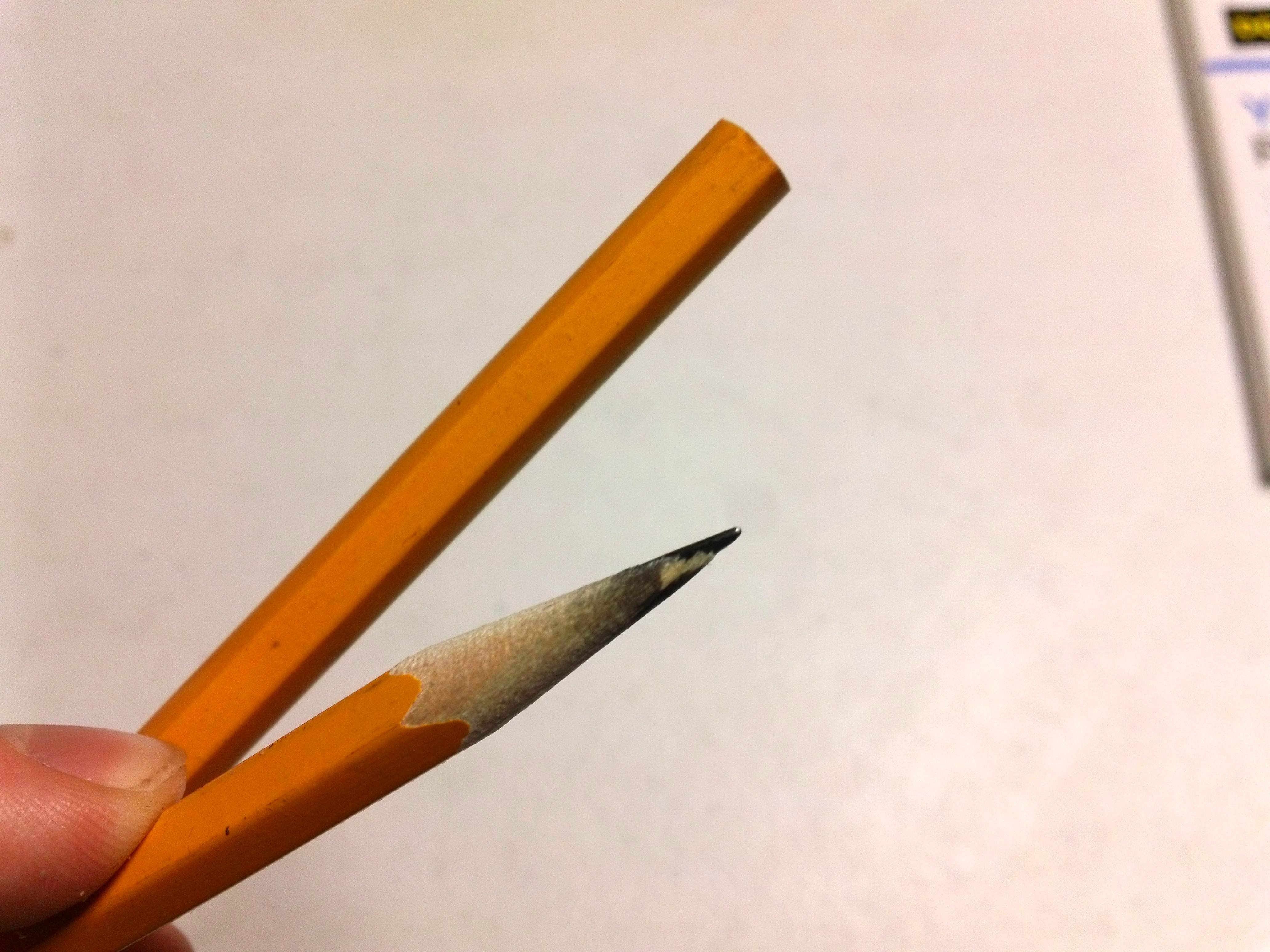
The pencils are small and light, roughly 6 and 3/4 inches to start, with about a half inch eraser. The wood is cheap, it’s splintery and rough. The paint is applied poorly, with parts flaking off and wood showing through, but it does its job and the letters are easy enough to read. The eraser is all right, it erases, but not all the way. Usable for sketches and writing. The eraser is hard and sometimes smears the graphite instead of erasing.

But that is all roughly cosmetic. One can get other erasers and the paint does its job. It’s really about the graphite. And that’s hard to screw up. HB’s are a fairly hard pencil, really medium, leaning to the soft end. They’re easy to draw with and give a large amount of control. The lead is not brittle, and stays in its wooden case. The pencil is suitable for sketches and of course writing like its main use in schools.

The wood being cheap makes it difficult to sharpen, making it lean more to one side or the other, the lead is also slightly off center. It’s cheap, but usable.

This pencil is a nice cheap way to sketch. And is useful in creating a draft for a sketch to be inked later. It being cheap it is available but it is also cheap, not the best pencil available. It does its job but it’s nothing spectacular.