Review – INC Soft Scripts Mechanical Pencils

Pencils for the office, school, or just someone who loses their pencils a lot can get pricey, fortunately there are a lot of inexpensive options out there. But are they even worth it to try? Sure, there are a lot of inexpensive pencils, but if they don’t “pencil” there is no reason to even consider them. INC Soft Scripts are one such pencil on the less expensive side of the aisle. How well do they work?

photo-252

The design here is pretty stereotypical, with the barrel being a thin, featureless tube of black plastic that tapers at one end to a plastic lead pipe. Near this end is a rubber grip in one of a few (5 in my case) colors that is narrower in the middle and has ridges toward the end, both ostensibly to help with grip, and they succeed in being barely noticeable. On the back end is a colored plastic push-advance mechanism (that matches the grip) with integrated pocket clip and eraser holder. This bit can be removed to expose the lead-holding tube that contains 2 extra leads (for a total of 3 per pencil). The clip is nothing spectacular, with most of the necessary information on it, and fairly brittle. But I feel the entire end piece would fling off before it broke.

photo-253

Performance is what one would expect. The HB lead is middle-of-the-road, leaning toward soft, but there’s nothing particularly off about it. I personally don’t use a .7mm size but it is a fairly standard size and makes breaking less of a problem. The eraser is one of the little white ones that will get the erasing done pretty well, but will seem to disappear almost immediately. The clip is serviceable but I wouldn’t recommend using it. And, finally, the mechanism is quite solid and workable; pushing lead out and holding it in place when commanded to do so.

photo-254

They’re easily usable, but far from spectacular, pencils, with their main benefits being the rubber grip (if you happen to like those) and the fact that they are the ones at the store (if indeed they are the ones at the store). There’s nothing really there to recommend them on, but no reason to tell you to stay away, either. They will perform fine for office, school, car, or other tasks where pencils should be inexpensive because of the frequency with which they are broken or lost. In comparison to others at a similar, price it would really come down to personal preference.

Review – Cross Jotzone Notebook and Pen

Notebooks are quite handy things, but most of the common ones look a little unprofessional. If the standard spiral and composition books won’t work for you, and Moleskine just seems a little cliché, maybe Cross has the answer for you with its Jotzone series of notebooks.

photo-242

I feel I need to put a bit of a disclaimer here at the front. I usually carry a notebook around with me and try to get through about a quarter of the pages before I do a review on it (that’s why I’ve done so few notebook reviews: it takes time), but on this one I certainly didn’t get anywhere close to that, for reasons that will be explained in a moment.

photo-246

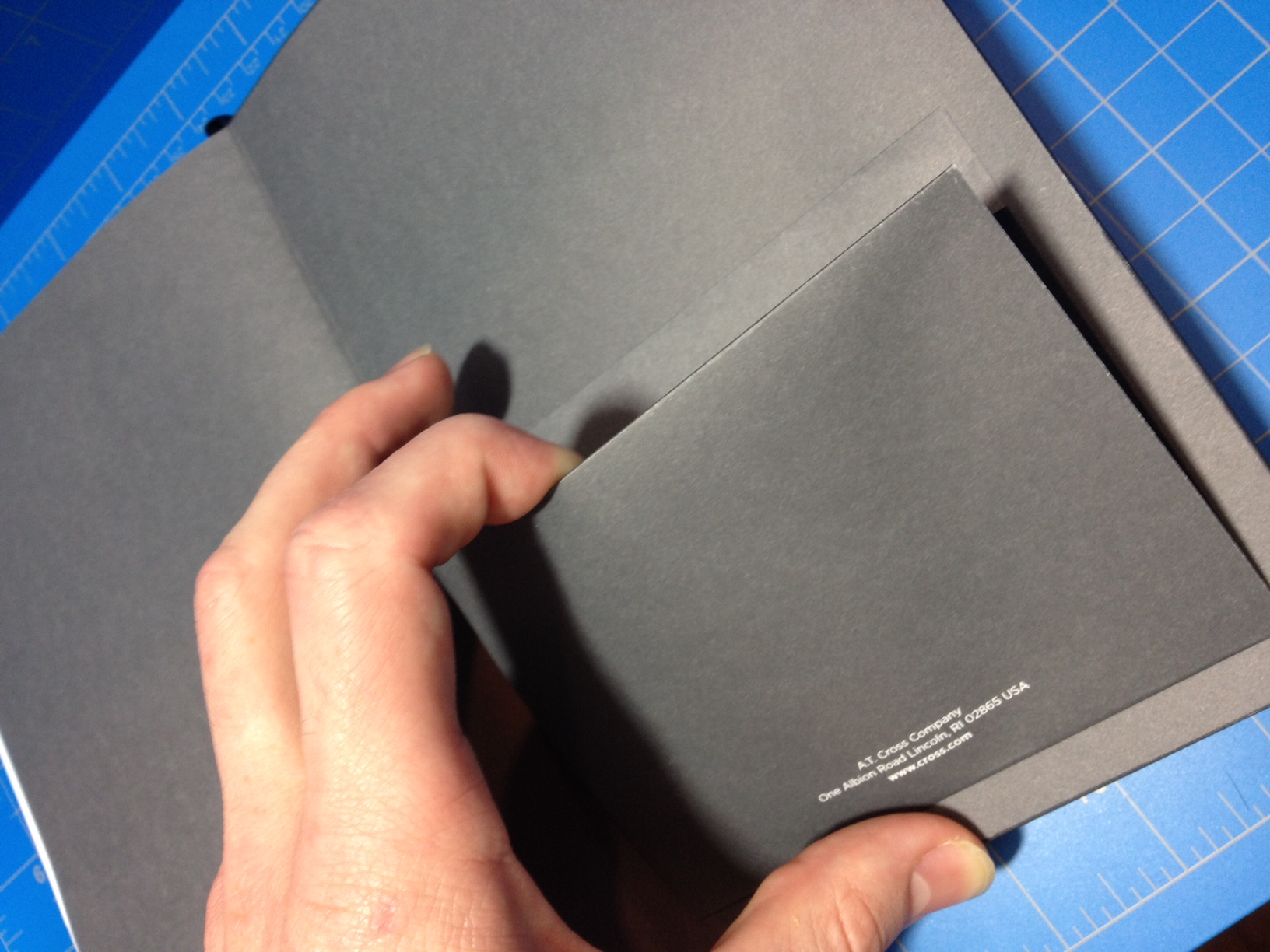
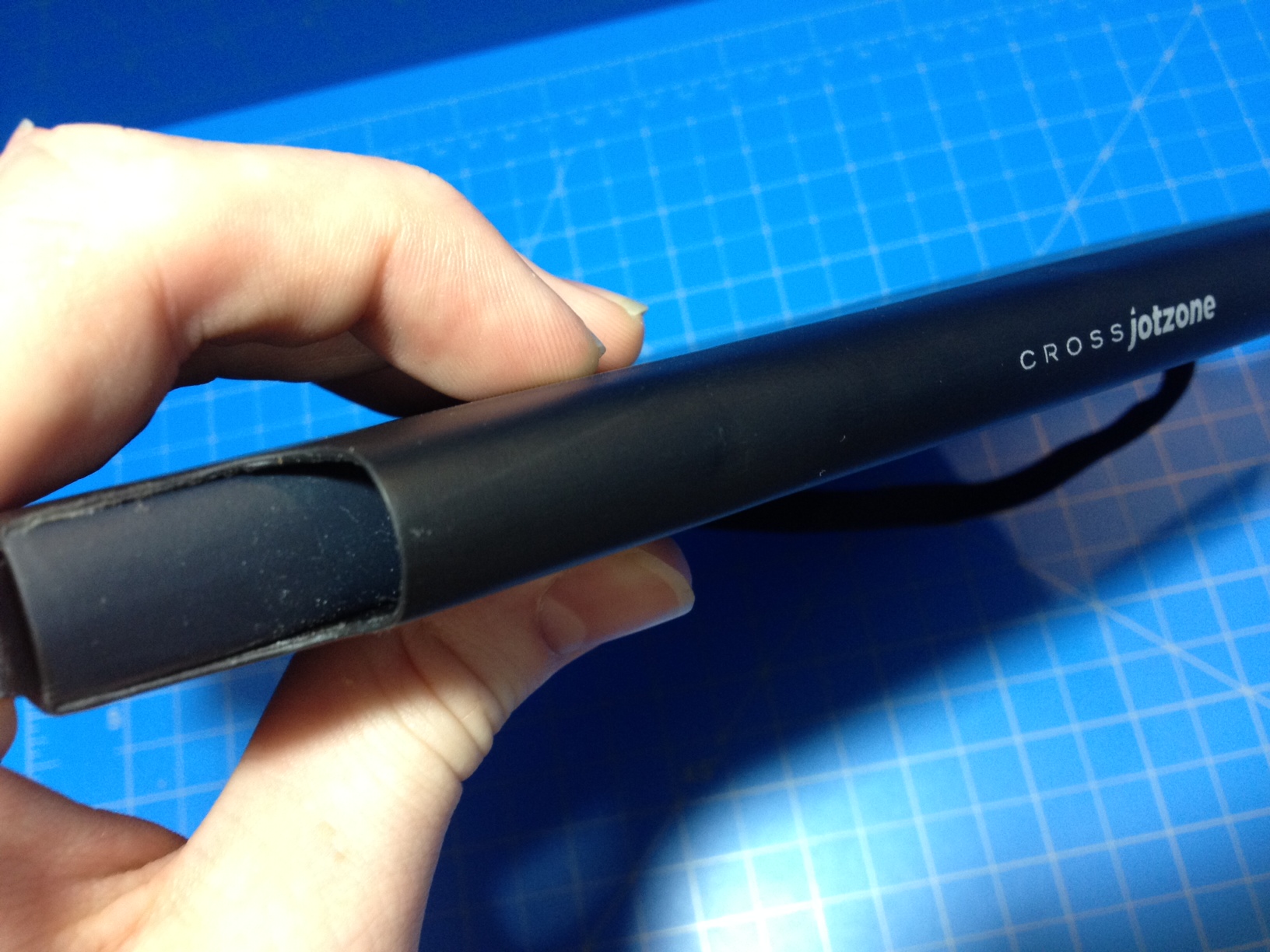
The cover of the book is a nice, smooth faux-leather, black save for a triangle on the lower right of the front where the color varies (mine’s blue). It covers the full 5.5” x 7” paper part of the book, with a ½” extra bit around the spine, which is hollow, creating a “tube” where pens can be stored (it also helpfully says “Cross Jotzone™” on the spine) . “Cross” is nicely but subtly stamped both on the back and the triangle in the corner. An elastic band is attached to the back in a novel way, so that when it is being used to hold the book closed it lines up with edge of the colored triangle. Inside there is nothing special behind the front cover, but inside the back is a small, simple cardboard and paper pocket. It is attached so it is accessed from the top, a decision that with its small size seems to have been made only to avoid comparisons with Moleskine.

photo-249

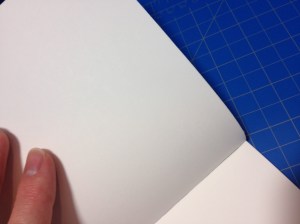
The paper is very good, a nice 100gsm (70lb) that is smooth, but not too smooth in my opinion (it certainly isn’t as smooth as the Clairefontaine paper fountain pen people love). It handles fountain pens and liquid roller balls quite well; with minimal feathering and show-through under normal usage conditions (I’ve done no test with flex pens or triple broads) and the dry time isn’t that bad, though far from instant. The pages themselves are nice and white with a ¼” grey ruling that stops before the page ends, and a stupid grey triangle in the corners right under where the triangle is on the cover. This area helpfully says “Cross Jotzone™” on every page, and it’s supposed to be where you put your quick summary notes or something so you can easily riffle through the pages and find what you’re looking for. I think this is dumb (and I hate pre-printed words on the pages of my notebooks) but nobody asked me and the paper is good enough that I could easily ignore that (and the ruling that is far too large for me).

photo-247

But now for the reason I haven’t used the book that much, and wouldn’t buy another one. I admit it’s quite petty but I use my notebooks a lot, and I want them to look good. That’s why I still use Moleskine classic hardbacks, it’s very hard to find a notebook that resists damage (page corners bending, cover denting/ripping/bending etc) better than those books. And this one is, cosmetically speaking (it feels easily strong enough to not fall apart structurally before being used up) is the worst I have encountered. After sitting for a day or two in my bag, with the only other items in the bag being non-spiral notebooks the cover became covered (no pun intended) with irreversible scratches and scrapes that are quite noticeable. Basically, if you want to maintain the “Cross” professional look, it’s a desk notebook, and I have reviewed it like a desk notebook. It’s a pretty good if gimmicky one, but I personally couldn’t stand to look at the satin faux-leather cover getting so beat up over time (and I wouldn’t recommend using the spine pen holder, as its made out of the same, easily damaged material). I feel like it wasn’t really thought out, and is more of an “executive gift” that no one is expected to really use, and that’s a shame because it comes with a great pen.

photo-248photo-250

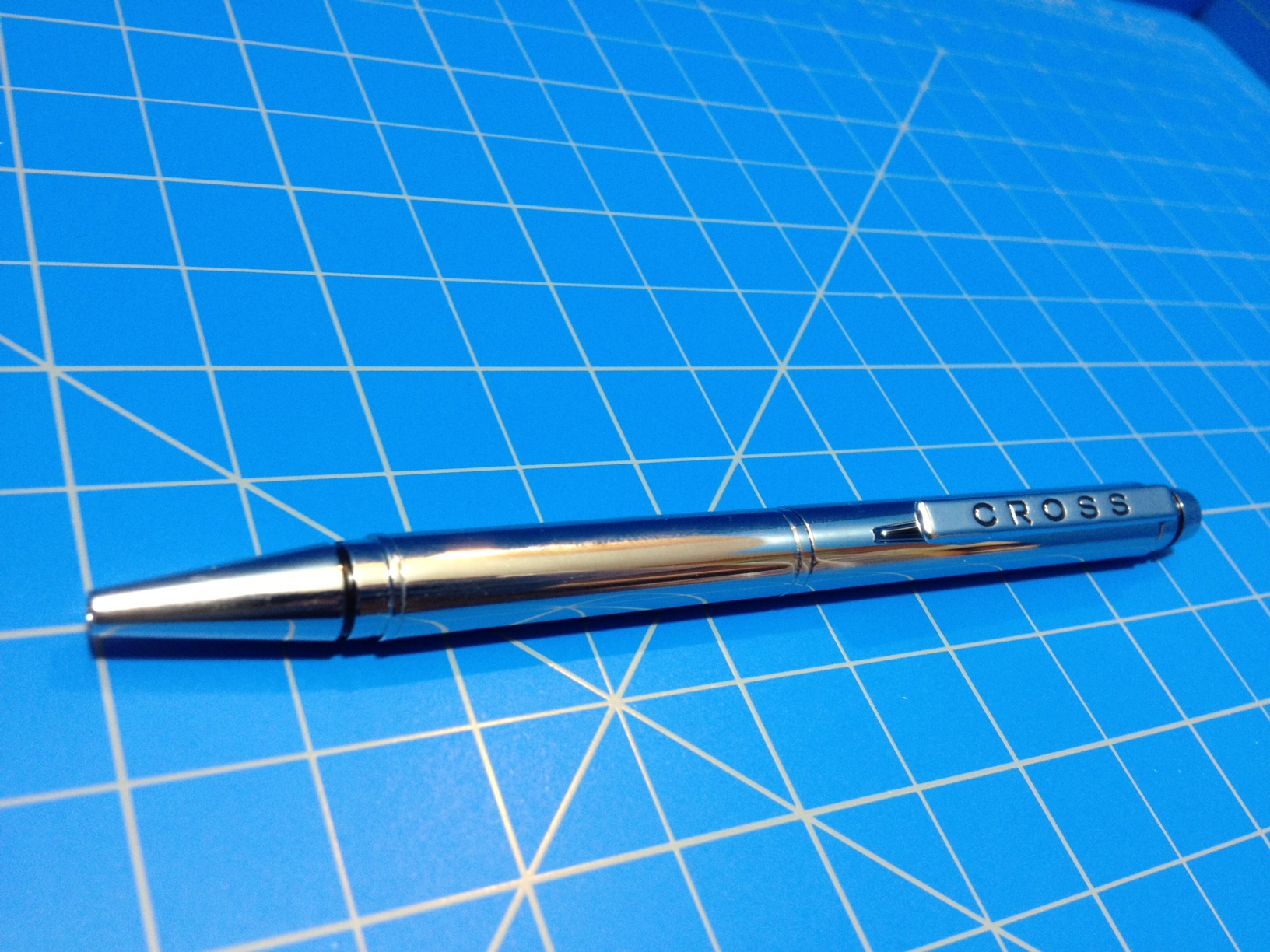
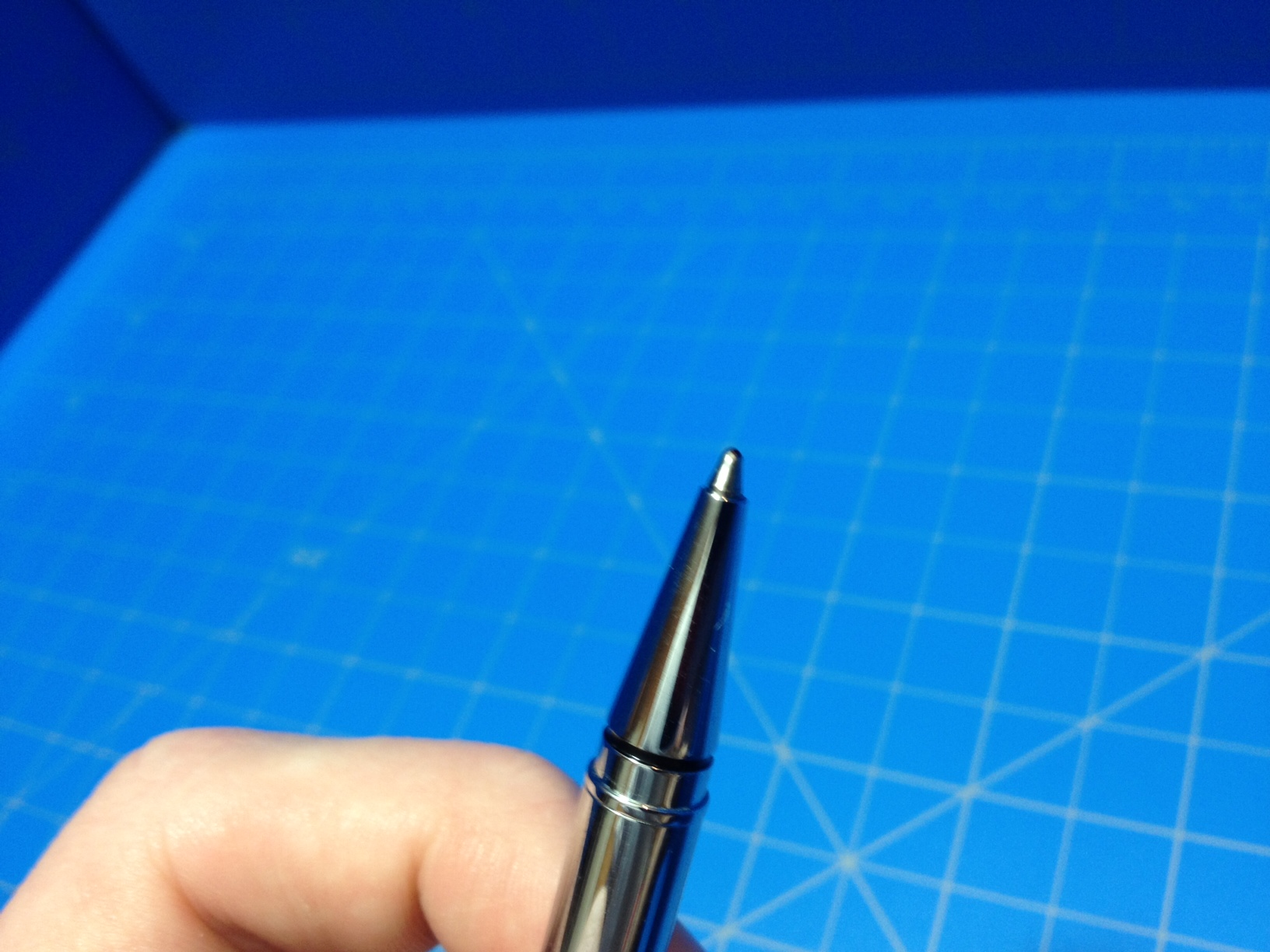
The pen is a very simple chromed metal pen (I would say steel from the weight, it’s quite heavy for a pen of its size) with a smooth cylindrical non-tapering barrel. There is pointed-ish cap finial at the back and a cone at the front leading to the point. It’s retractable, with a twist action, and there is a clear mark and band signifying where the pieces come together (and it is the smoothest action I have ever felt in a pen). The adornment and the clip are minimal, probably to be inexpensive, and while it’s a little ugly, the simplicity makes it easy to overlook. The cartridge is a short version of the standard Cross cartridge in a medium point. It, like most Cross pens, is very smooth, in this case especially when writing cursive. It does have some startup problems, especially when left unused for a time, but that problem can be solved by using it more or getting a new cartridge.

photo-245

In the end it’s an alright notebook, and a good pen. I wouldn’t purchase them for myself, but it does make a very nice looking gift, and it’s functional, with good paper and a nice writing pen. It’s a desk notebook, and a heavy desk pen (but I like the weight) made of good quality materials, but essentially with a disregard for useabilty. I can recommend them as desk materials, but not as daily users.

Review – Art & Parcel (September 2016)

Art & Parcel is a monthly subscription service for art supplies from H. Blyth & Co. It’s like a Lootcrate, but for art supplies; so it’s way better than a Lootcrate (my opinion). But with so many of these monthly-blind-subscription-service things around, what makes this one special enough to look at? (Answer: Art supplies) And is it worth it to get one?

photo-217

(Couple of notes here: I got this parcel for free {and even though I got to pick one, I didn’t get the one I picked, so the picking part won’t influence the review} for review, and I live in the US where the “subscription” part of this service is unavailable. From what I can tell that means that I would have to pay up front as a lump sum to get my parcels, instead of being able to pay by the month, this also means that shipping cost is terrible to get them here, £16 (About $20) is a steal for these products, and the shipping in the UK is a great deal too, even throughout the rest of Europe it doesn’t exceed the price of the items like it does coming to the US)

photo-226

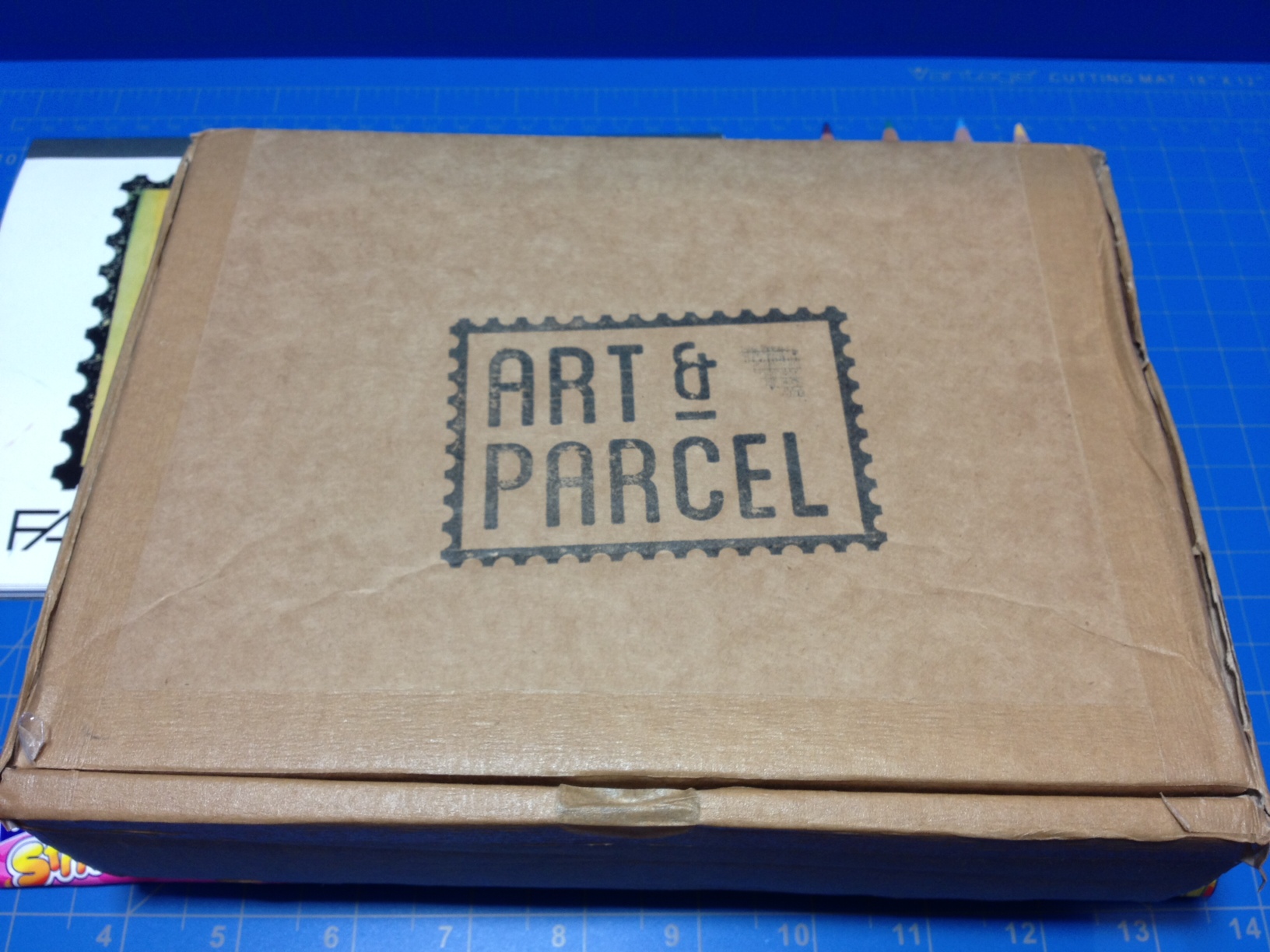
The one I am going to be looking at today is September’s parcel, which is focused mainly on colored pencils, but first I’ll talk quickly about the packaging. Mine was shipped in a bubble envelope, inside of which was a very nice cardboard box that was very well sealed with brown tape. On the top the Art & Parcel logo is printed very plainly, and on the bottom in pencil there is the month. (My box was a bit dented, but this is likely from the post office as, due to my schedule, the box had to be sent through the post twice) Inside is a nice packing slip that explains everything that is in the box along with its regular retail price (if that’s anything to go on you save a pound or two from buying the items individually in this set). All of the materials are neatly and securely wrapped in a newsprint/tracing paper that is sealed with a sticker of the Art & Parcel logo. It is all very well executed and nothing got damaged.
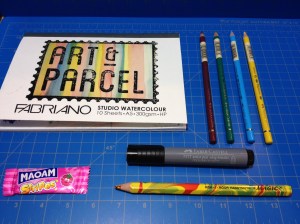
photo-220

The first items in this box were four Faber-Castell Polychromos pencils. I am no stranger to these pencils (they were the subject of one of my first {and not as well written} reviews), though I don’t have these particular colors: Naples Yellow, Light Phthalo Blue, Chrome Oxide Green Fiery (wonderful name that), and Red-Violet. I think the choice of colors is a bit strange, but they are definitely useful, and give a better representation of the pencils abilities than a plain RGB or RYB would have. There’s not much more to say there since they are some of the best colored pencils around. One thing I do really like about them is the fact that they layer so that some colors can somewhat be on top of other colors, unlike the cheaper colored pencils where they’re pretty mutually exclusive.
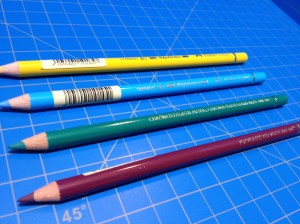
photo-225

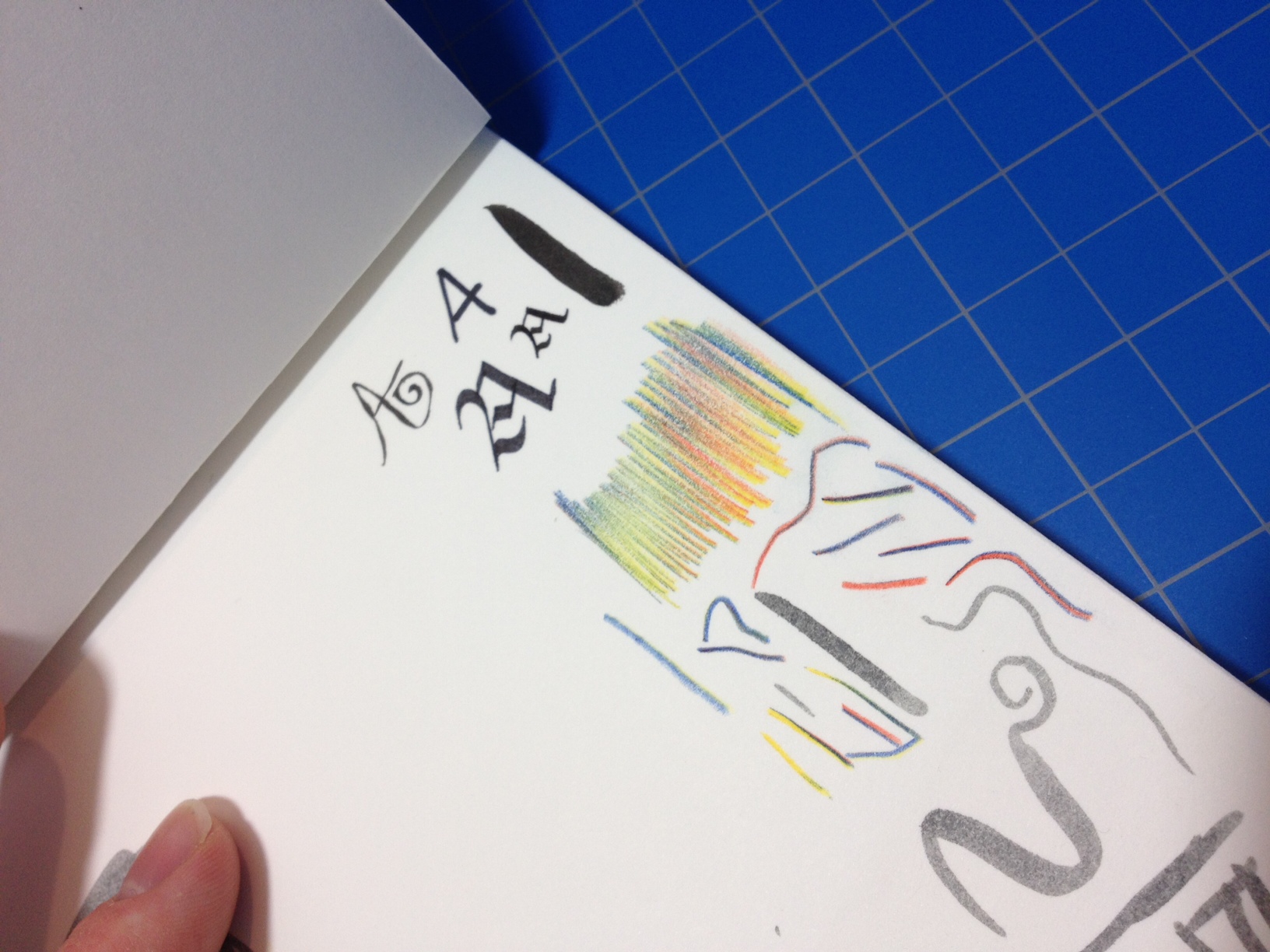
Next is the KOH-I-NOOR Hardtmuth Magic pencil, which is basically a fat colored pencil that has a “lead” made up of the 3 RYB colors. This means that as you write or color with the pencil it changes, and the colors mix together to create a nice gradient effect. In practice the yellow mixing with both the red and blue works great, but the purple almost looks black and rarely shows up, and getting a nice solid version of one of the primary colors is very difficult, so the gradient looks more green and orange than anything else. I would bet that with some practice and odorless mineral spirits with a blending stick that it could produce wonderful effects, but I would still have trouble finding a use for it.

photo-224

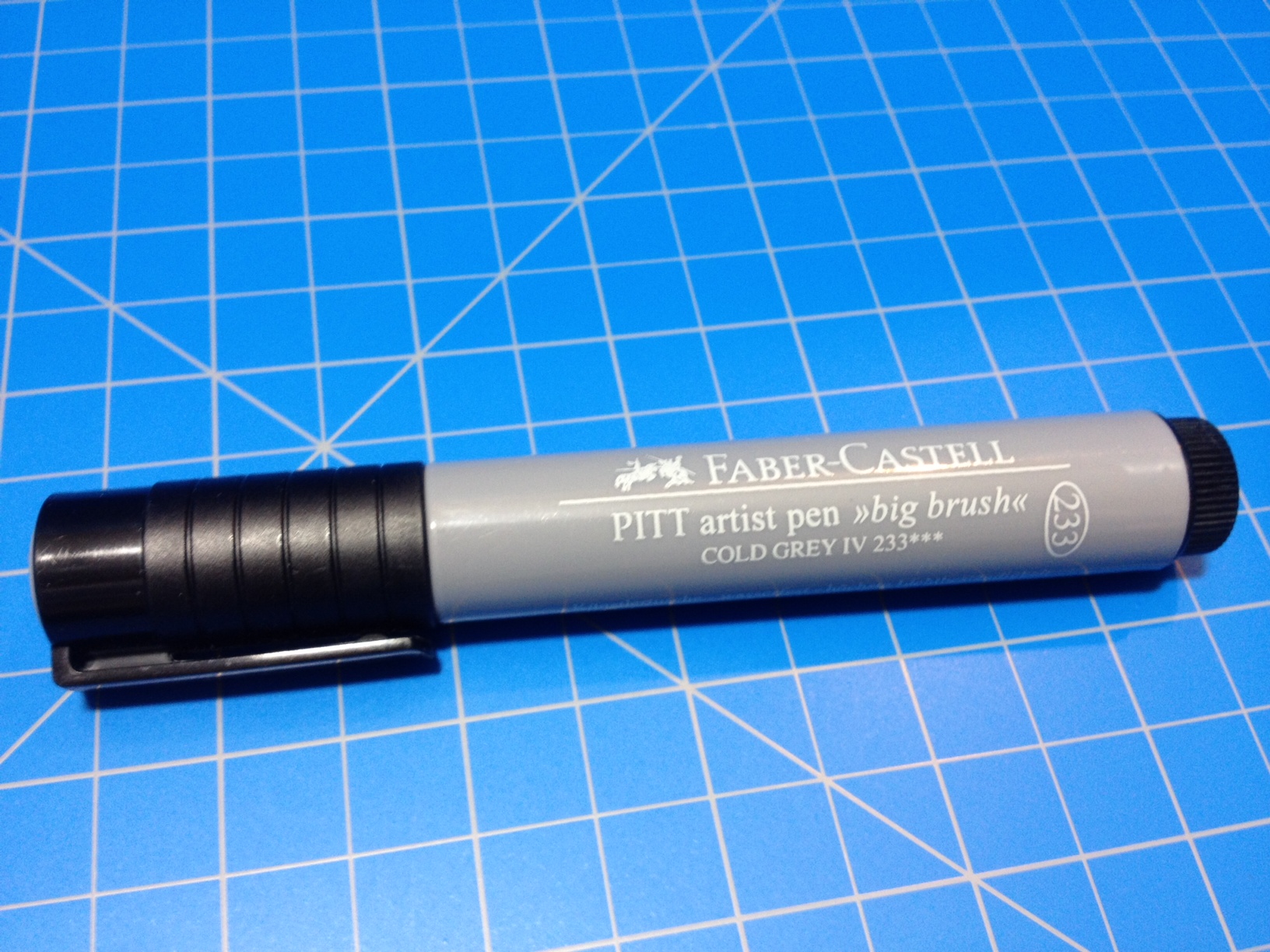
Third up is another Faber-Castell product; one of their Pitt Artist Brush Pens, another item I’ve looked at in the past, though this is a different version. It’s a “big brush” and the body of the pen is over a half inch in diameter, a bit chunky for me but still very easy to hold on to and surprisingly comfortable. The color is “Cold Grey IV” which seems to be in the middle of the grey family, and the brush is very fat, going from lines of about ½mm to almost 5mm. It’s also got all of the stuff you want out of an ink: waterproof, lightfast, and archival quality. But I’m not really sold on how it fits with the rest of the stuff here. It is a grey, which makes it more like a pencil when sketching, but going over the same place multiple times does make it darker. It’s just strange to me, but then again I have a very different style to most people, and playing around with a new brush pen is always fun.
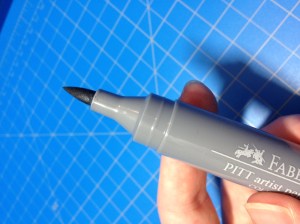
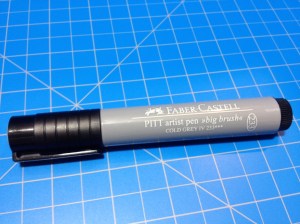
photo-222 photo-223

And the final item included is a 10-sheet pad of watercolor paper. It’s made by Fabriano but has the Art & Parcel logo again on the front. It’s A5 size, which is about 6” x 8” and is a hefty 300gsm. It handily took everything I threw at it without flinching, bleeding, or feathering. Sharpies, calligraphy pens, and brush pens push most papers to the limit, but this stuff is truly meant for paint (watercolor at least), which I don’t have too much of lying around (in accessible areas, I did have some tempera and it handled that very well), but it seems easily capable of handling it. A liberal application of water will turn it in to one big slight buckle, but that’s about it. My only complaint is that there are only 10 sheets.

photo-218photo-219photo-221

Overall I’m very satisfied with this box. It’s well worth the money and provides several products that work in tandem, allowing you to start creating right out of the package without having to look for more materials. From what I can tell, this is true of the previous parcels as well, but each one comes based in a different medium. The subscription would be relatively inexpensive way to try out something that might not be in your comfort zone without having to do a lot of research or spend time picking out and ordering products. It was honestly really hard for me to try and pick out a parcel I wanted. The recent ones at least were all super cool (and they can be purchased even after the subscription goes out, so nobody needs to miss out like with other sub boxes) and I’d be signing up right now if shipping to the US didn’t more than double the price (damn the postal service(s)). I really like this box. It’s given me a bunch of cool stuff to play around with (and a Haribo candy to eat*) and if the idea of getting a bunch of high quality art goodies in the mail every month appeals to you I would recommend it.
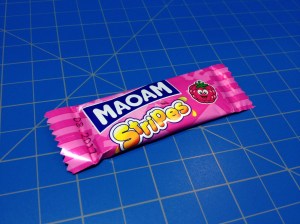
photo-227

*I ate it; it was good (like a softer laffy-taffy).
Review – Bic Xtra-Fun Pencils

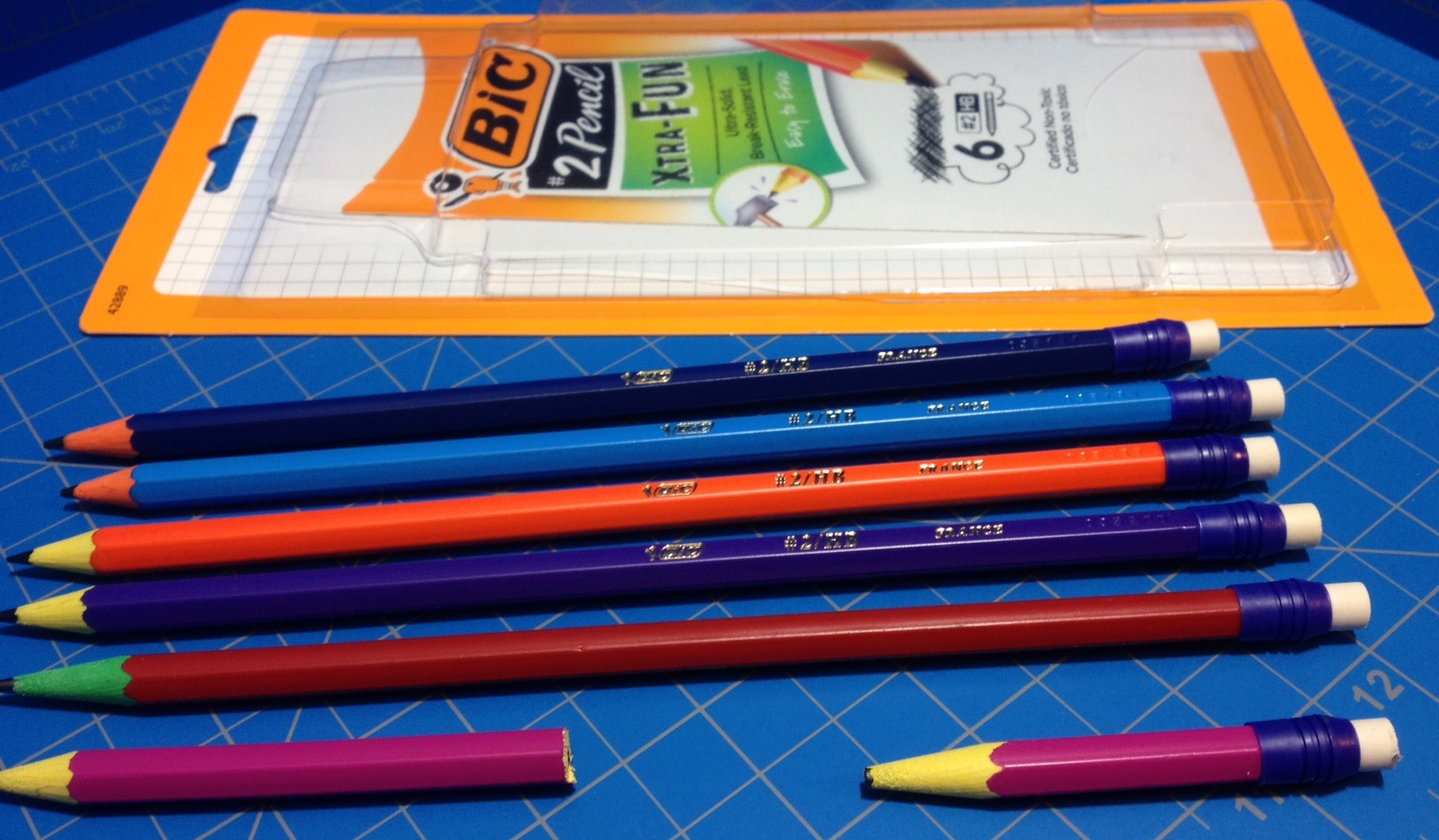
Sometimes I’m a sucker for buying new things for the novelty, and I think that’s what Bic is counting on (except I think their target market is children) with the Xtra-Fun series of pencils. At first (and second) glance they appear to be regular #2 pencils in wacky, fun colors. But are they usable?

photo-207photo-209photo-214

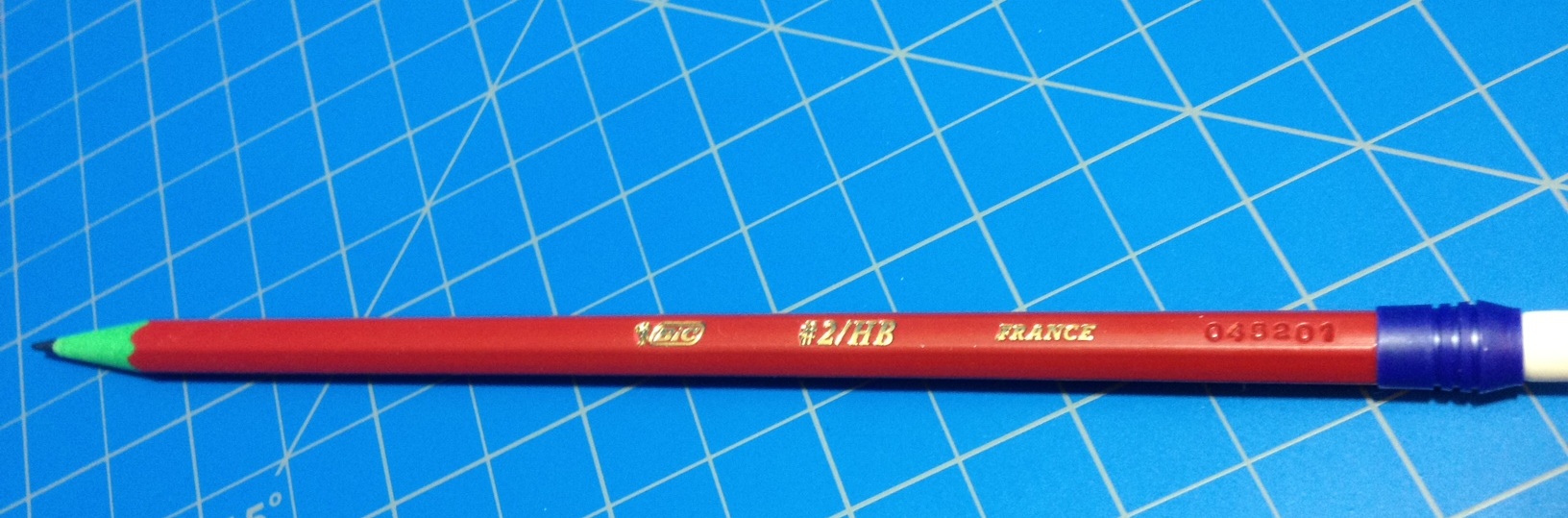
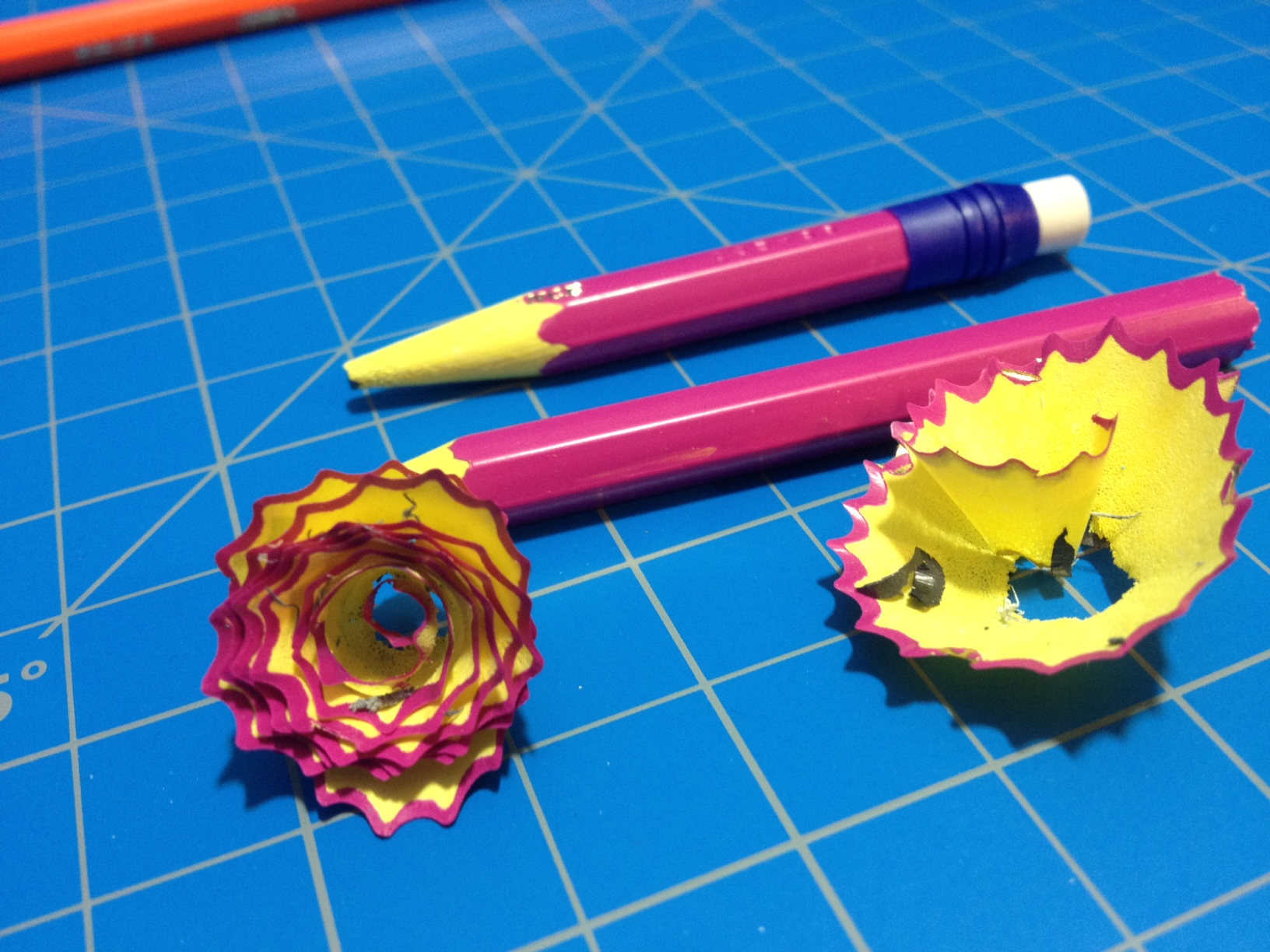
For the most part these pencils are pretty standard: a “wooden” hexagonal body with general information stamped and inked into one of the facets (each pencil also appears to have a unique number stamped but not inked into it; I am unsure of its significance). The most obvious differences between them and regular pencils is the bright-colored paint on the outside with the inside dyed a different (usually mismatched) color, and that the standard metal eraser holder has been replaced with a much larger diameter plastic one. The body looks and feels at first like a regular wood pencil, but after sharpening and handling it for a bit I would say that if it isn’t a type of plastic it is a “flaked and formed” wood that uses a different process than most pencils to give it more plasticity.
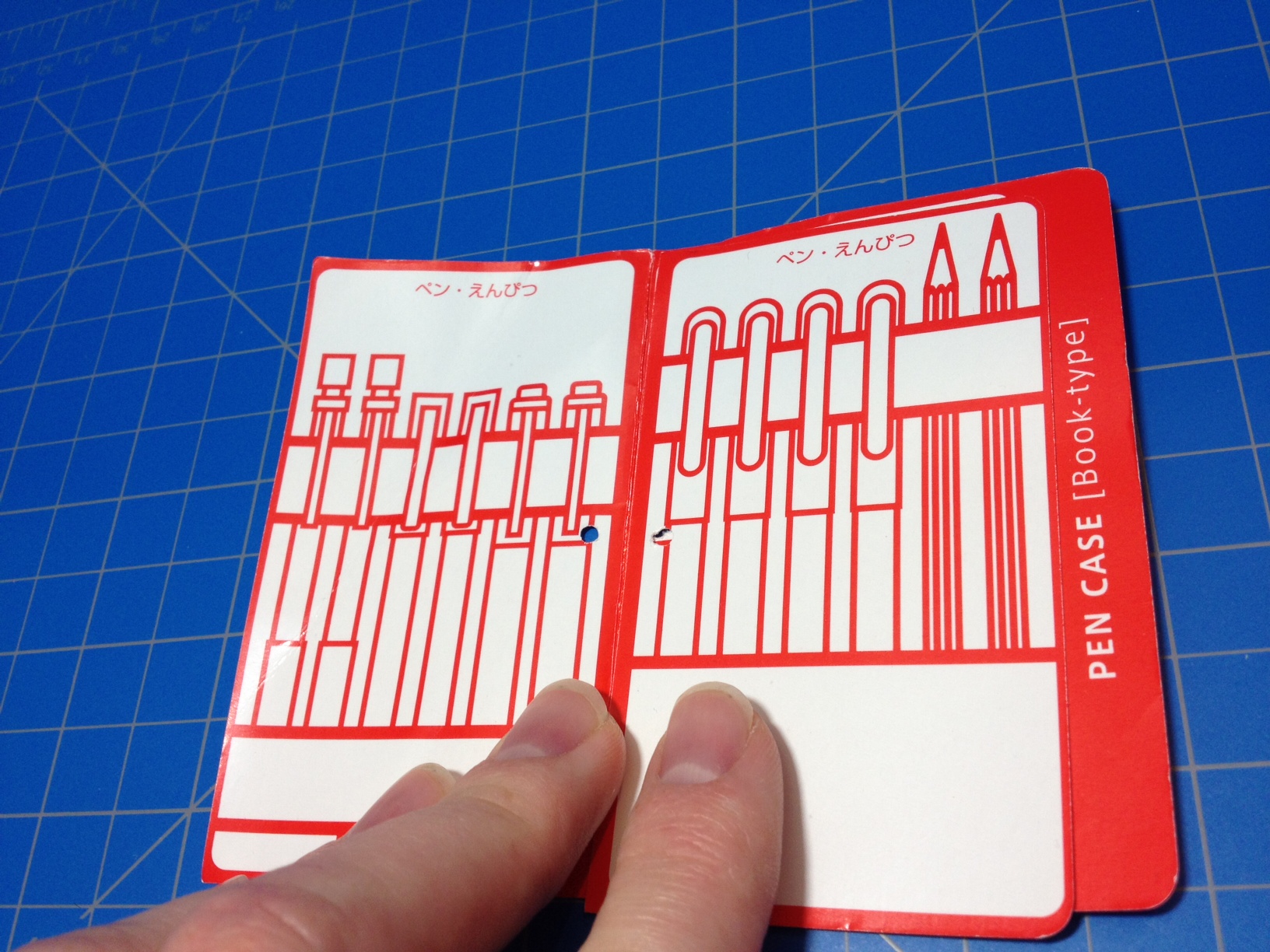
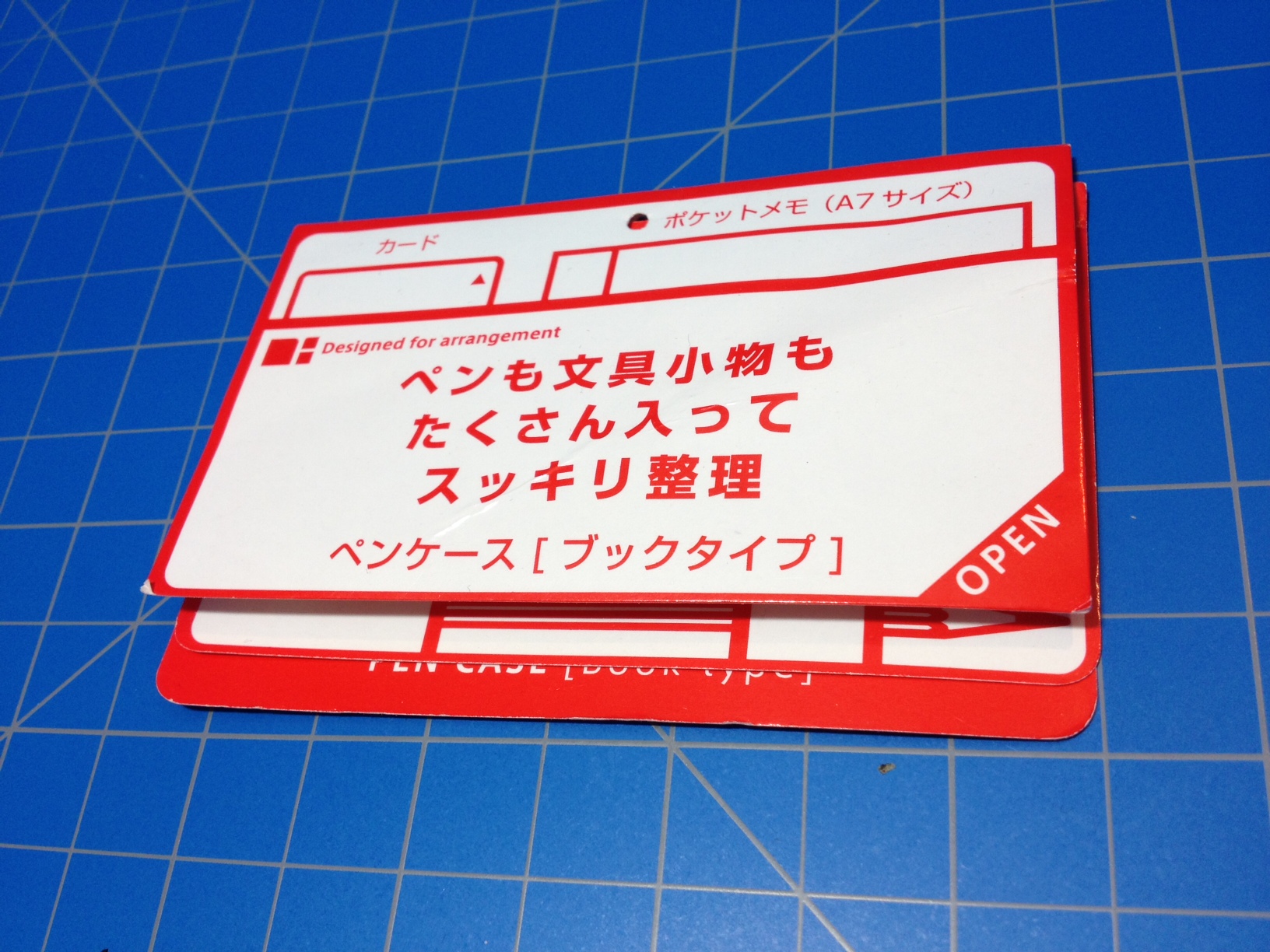
photo-210photo-213

The performance of the lead is as expected, on the soft side of middle-of the road. Not much precision is possible, nor shading; it’s good for scantrons and notes. The eraser is of the white variety, and actually very decent, erasing most typical writing lines without seeming to disappear before your very eyes. In fact, the most disappointing thing about this pencil is its structural integrity. It bends very easily, and much more so than a regular pencil. Simply handling it will result in finding out how easily it bends, which is worrisome in general, but added to by the fact that when I was using these pencils I began to sharpen one, and the tip broke off every time I was just getting to a point, down until there was no more pencil to put in the sharpener. Thus, one of my pencils was rendered entirely useless, and I hadn’t really played with the plasticity of that one, so I would definitely call it a defect, and one that makes it hard to recommend these pencils, especially for children.

photo-212 photo-211

I probably won’t be buying any pencils from this range again, but that would’ve still been the case had they been good pencils. But with such an easy to encounter (albeit not in the intended usage case) flaw that essentially ruins the pencil’s penciling ability, I have to say I wouldn’t be able to recommend them to anyone. The colors are also terrible but I suppose some have different (perhaps more X-treme) tastes than I, so I can’t particularly fault it there.

Review – Lihit Lab Pen(cil) Case

I might be a little bit late for the back-to-school season, but I do have a pencil case I wanted to talk about. Most pencil cases tend to be of the “dump everything in and fish it out” variety, even if the only hold a few pencils. The rarer breed is the organizational pencil case (that isn’t attached to some other “organizer”). One of the simplest, least expensive, and easiest to get a hold of versions of this is the Lihit Lab Pen Case (I can’t find a certain model name {maybe Teffa?} or number that seems to fit {maybe A7551-24?}). Is it worth it?

photo-201photo-205

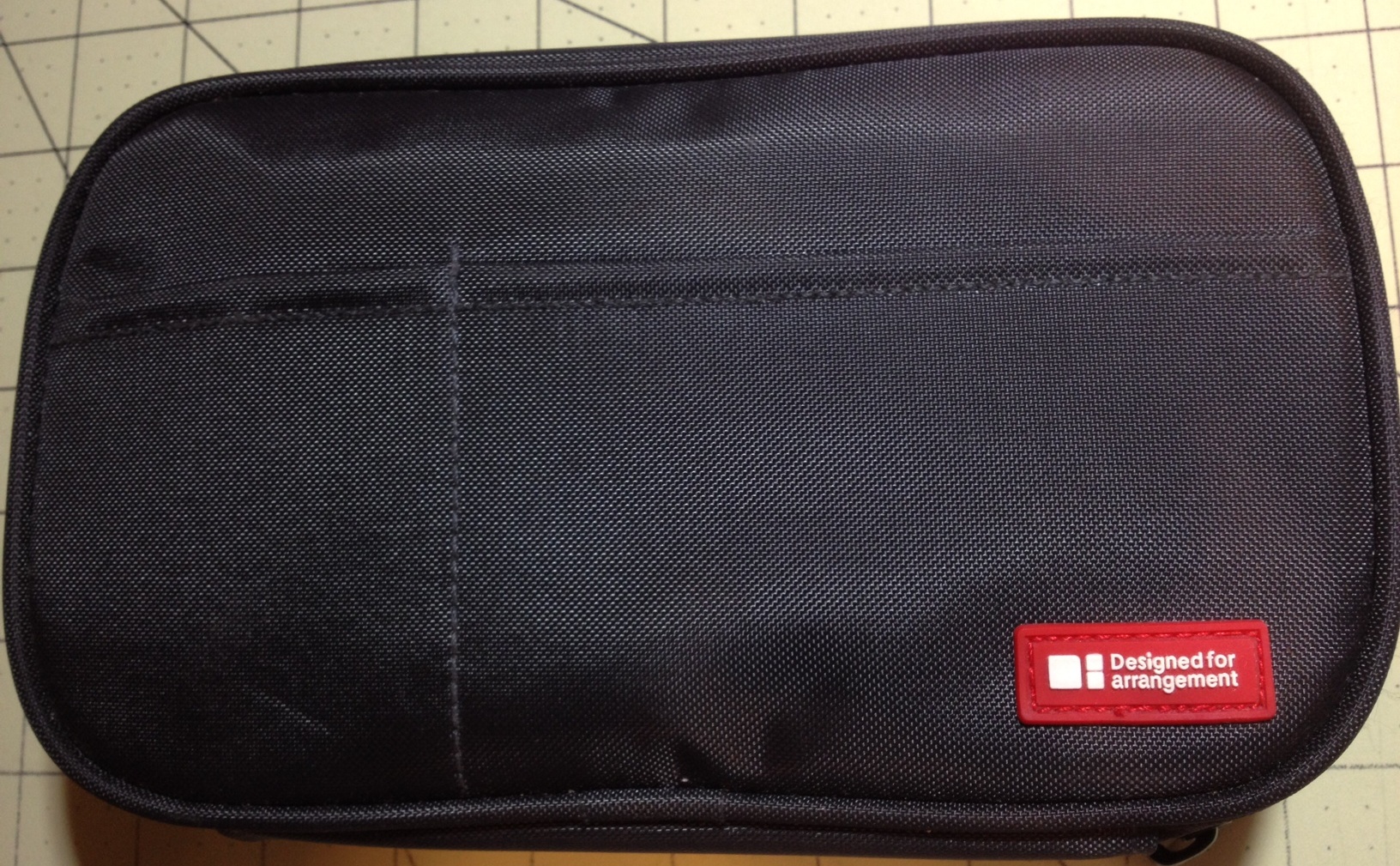
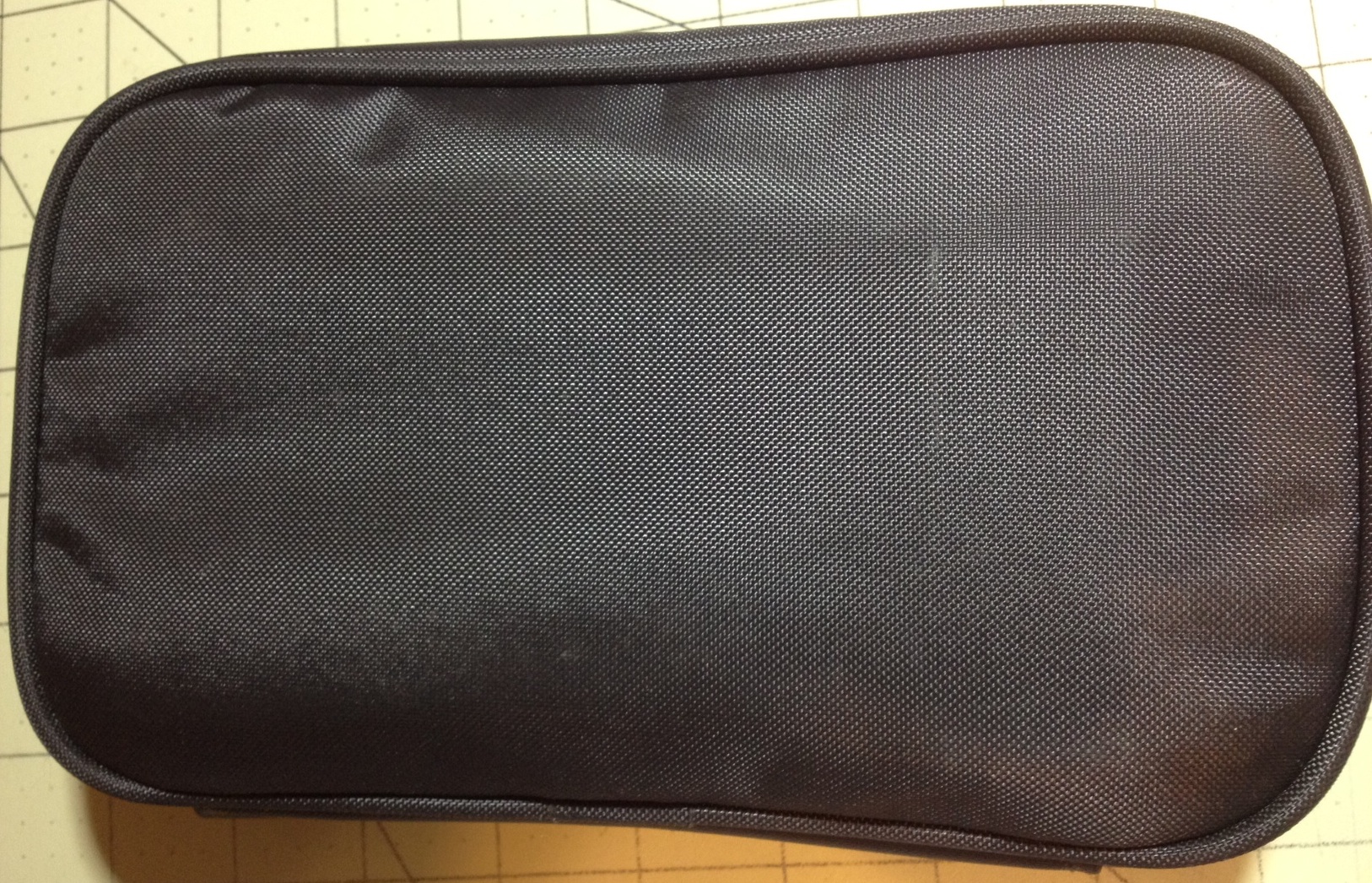
The outside of the case looks pretty standard (mine’s black, but there are lots of available colors), the back is blank and the front has two almost-useless pockets with a small rubber “designed for arrangement” badge. The (double) zipper is roughly in the center of the bag (and it even has the same logo as the front badge on it) and it feels very sturdy and secure, though it has no “brand-name” on it. The hinge is made of a double layer of the same fabric as the rest of the case and shows no sign of wear from several months of use. The whole package comes in at about 8”x4½”.

photo-204photo-198

The inside is a brown version of the same color polyester fabric (regardless of outside color). On the inside of the front there are two roughly inch-wide bands to hold in pens, and on the back inside there is a simple mesh covering about half the area (to hold other items). There is also a center divider/organizational area that is strangely attached to the inside of the back half and not in the middle. I suppose that would have interfered with the hinge, but its placement near the back (really it just favoring one side) can be a problem at times. The front of this divider has another inch-wide band (higher up this time) and a thin pocket (not mesh) at the bottom, and the back has three mesh pockets, the top two being slightly larger than the bottom one.

photo-202

So the configuration of the whole case is to hold pens in the front and other art/office supply things in the back. This works pretty well, especially since the back can hold either. I have 24 pens or pen-like things in mine* and 10 (or so, paper clips are counted as one thing) other things including an eraser, Swiss Army Knife, stapler, pencil sharpener, notepad etc. It fits everything nicely and is very flexible with its organization. I was surprised with what I could fit in it (almost everything I wanted), and I’ve been carrying it around wherever I need pen(cil)s for months now and it shows no sign of stressing the material or really any wear whatsoever.

photo-199

My concluding thoughts could just be “it is the pencil case I use, and I don’t see that changing soon”. And that would be true, I really like this case, it is perfect for my exact usage scenario, but due to its popularity and the number of photos of it I see online, it looks like it could fit quite a few usage cases. It’s inexpensive relative to other cases its size (it probably helps that there is no packaging needed, but it does come with a cute little card that folds out as a representation of how to use the case), it’s durable, flexible (both in the physical and organizational sense), and it’s attractive. I’d definitely recommend it as an upgrade to the regular zipper bag most people use.

photo-233 photo-232 photo-231 photo-230


* Pencil Case Full Contents List

    • 2 Pentel Pocket Brushes
    • Pigma Brush
    • 2 Tombow Duos (N95, N60)
    • Liquid Accent Highlighter
    • Sharpie Twin Tip
    • Autopoint All American in Blue (Caran d’Ache Sketcher Non-Photo Blue Pencil)
    • Pigma Graphic 1
    • Pigma Micron Technical Pens (005, 01, 02, 03, 05, 08)
    • Le Pen 0.03 (003) Technical Pen
    • Tombow Mono Zero Eraser (Round 2.3, Rectangular 2.5×5)
    • Scotch Tape Roll
    • Pad of Generic Sticky Notes (3”x2”)
    • Twist Ties x2
    • Paper Clips x5 (Insulated)
    • 4 inch Ruler
    • Pentel .5 HB lead
    • Pentel Graphgear 500 .5
    • Swingline Tot 50 Mini Stapler
    • Staedtler Mars Plastic Eraser (With Plastic Case)
    • Victorinox Super Tinker**
    • Zebra F-301 (Black, Blue, Green, Red)
    • Paper:Mate Liquid Paper Correction Pen (Signo Angelic White Gel Pen)
    • Kum Pencil Sharpener

28785

Last two photos from Jetpens.com (http://www.jetpens.com/Lihit-Lab-Teffa-Pen-Case-Book-Style-Black/pd/7665) I just had to include a photo of the "booklet" and originally couldn't find mine.

Last two photos from Jetpens.com (http://www.jetpens.com/Lihit-Lab-Teffa-Pen-Case-Book-Style-Black/pd/7665) I just had to include a photo of the “booklet” and originally couldn’t find mine.

Review – Sharpie China Marker

A ‘china marker’ or ‘grease pencil’ is essentially a hard, fat crayon that is used mostly for temporarily marking nonporous surfaces like glass, plastic laminate, tile, etc. They are an item that used to be pretty popular but have since waned as newer products like dry erase markers for temporary work on board or laminate, and permanent markers for less temporary weather resistance have come on the scene. Yet they still can be very useful when working with glass or porcelain. This being the case I was not surprised to see some in the hardware store, but I was slightly surprised to see that they were ‘Sharpie’ brand. Do they hold up in comparison?

photo-184

The short answer would be “yes”. The Sharpie brand here is just an addition to an older, very standard design by Sanford. The body is just a version of their “Peel-Off” design. I have a fairly old (by surviving china marker standards, since using them destroys them) one that is almost identical in most ways. The body is tightly wrapped brown-ish paper that is sealed with a black, perforated coating. On this coating is all of the relevant information of the product, and beneath it is a small white string. Pulling on this string will create a tear in the coating that can then be used to tear off enough of the inside material to expose the tip if it is worn down. The tip begins exposed with a roughly conical spiral of the paper that provides a nice template when tearing off a bit later. While I do suppose that the item could be sharpened, it would be pretty wasteful and difficult which is why a system like this was developed.

photo-185

As for writing, I have a black version, and it behaves very similarly to a fat crayon. Line width and coverage are dependant highly on how much pressure is applied, but it almost never is a true “line” in that it doesn’t fill in the whole space when writing. It writes well on nonporous surfaces and often on porous ones, being again about as smooth as a crayon. For what it’s intended to write on it is relatively weather-and handle-proof (it can smear) but can be removed with a paper towel and some elbow grease. Nonporous surfaces are a bit more tricky, but in general there is a way to clean it off.

There are only two types of grease pencil/china markers: the mechanical version, and peel-off versions, this one being the latter. It is very hard to mess up a peel-off grease pencil, but it is also hard to innovate in that field. This shows neither. It was competently made, but not entirely ingenious. It lacks any innovation or improvement over the pervious generations, but it does mark what it was meant to mark (china) and more. The price and availability are also quite reasonable. If you desire to acquire a china marker, and don’t mind the fact that the “greasy” (waxy) tip is exposed, then this one will do everything you want it to.

Review – Alvin Isometric Graph Paper (8½ x 11)

One of the hardest things in art and design is getting perspective down. And while many organic things can be fudged to look fine, there are some times where a more precise and technical perspective must be used. That’s where isometric graph paper comes in (at least for 2-point perspective), with rulings that serve as guides for simple-but-precise shapes rotated at 45 degrees (or hexes). The particular brand I’m looking at today is Alvin.

large2-87

The paper comes in a pad of 30 sheets with a cardboard back and cardstock cover. The “spine” is simply glue that allows pages to be easily torn off. The paper itself is a pretty standard 20 lb weight that resists bleed-though on ballpoints and smaller felt tips. Rollerballs, larger felt tips, Sharpies, and the like will bleed, but not terribly. Show through is pretty bad, and the second side has no graph so I can’t recommend the back for use.

photo-172

The graph has a ¼ to ½ inch border around the edge with some basic information printed on it. The graph is just under 10 ½ inches by 8 ¾ inches, with lines coming from the border at 30, 90, and 120 degrees every quarter inch. The lines are a light blue and will not show up on simple scanner, and very faintly on more modern scanners when set to greyscale. Still, they can be easily removed and don’t photocopy well, meaning the drawing or diagram can stand on its own.

The grid is very helpful in creating simple outlines for 3D shapes and places, or hexes for board games and tile patterns. The paper is pretty unspectacular but it’ll get the job done. I have no clue about its archival properties, but since they aren’t advertised I’d say they’re minimal at best. They’re a fun thing to mess around with and a useful classroom tool, but they might be left behind for more serious art and design.

Review – Sterling Studio 4-Piece Synthetic Brush Set SS-117

One of the problems with painting miniatures (doll houses, dioramas, war game pieces, etc…) is that it’s difficult to find brushes in the right sizes, and even then, brushes can be expensive. But if you’re not going to be doing a whole lot of work with them, how well would an inexpensive brush set like the Sterling Studio SS-117 work? Let’s take a look.

photo-165

Just a bit of a disclaimer, I’m not sure if this set is available anymore or even where one would get it. I got it at an outlet store at a considerable discount and waited to use it a few times before making this review.

photo-164

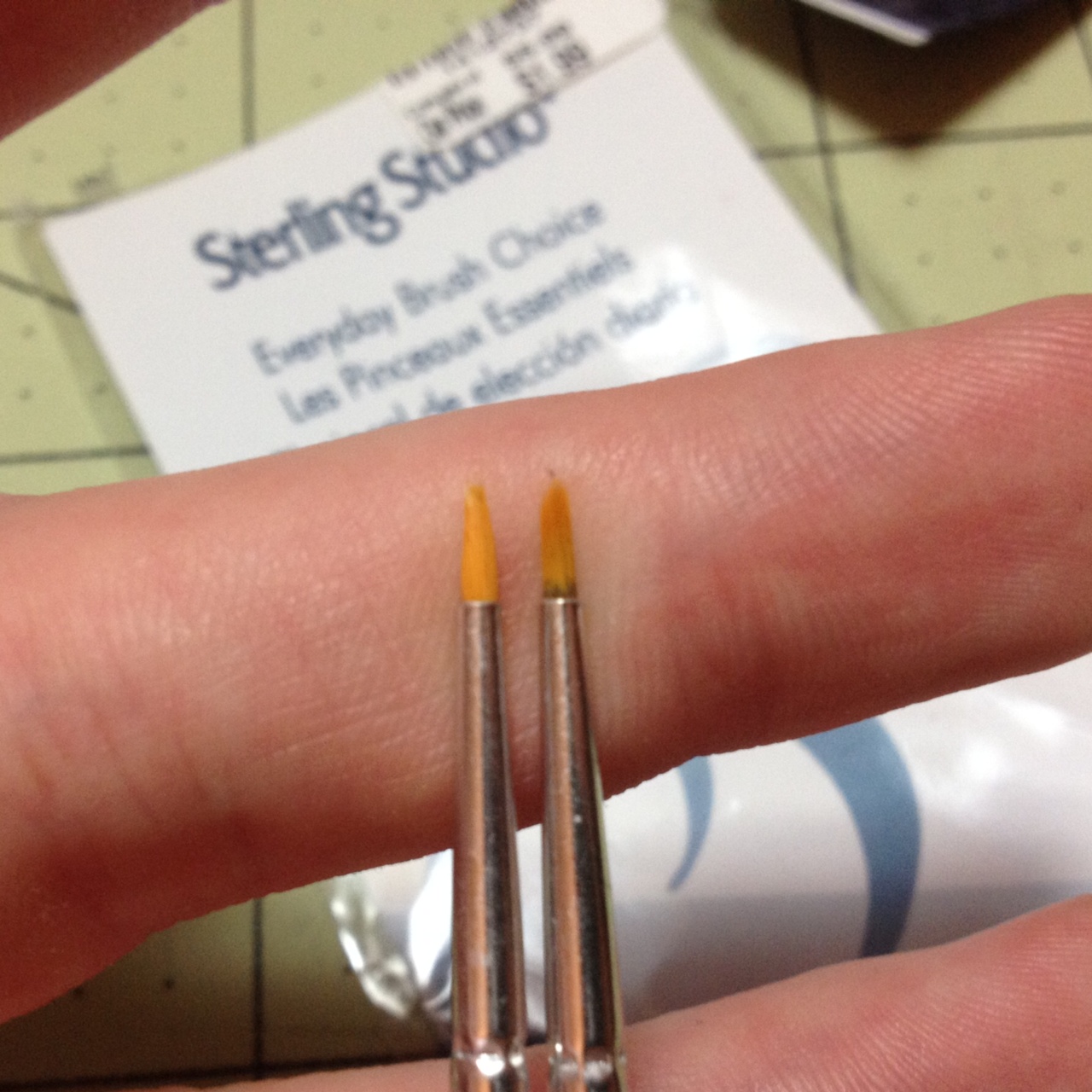
The bodies of the brushes are quite simple. They are a thin piece of wood painted a dark blue with “Sterling Studio” and the brush size written on the side in white. This is followed by a very cheap piece of crimped silver metal, which holds the orange synthetic bristles. The set include a round, two brights, and a spotter. The brights being flat-ish and semi-rectangular while the other two are rounder and pointier. The differences in the round and spotter are very little save one feels a bit stiffer, but I don’t know if that’s from other factors.

photo-167

The sizes are quite small, 10/0 (0000000000) and 2/0 (00) {Side note: paint brush sizing is weird sometimes} but they aren’t massively different. While the double zero (2/0) is noticeably larger I’m not sure how much of a difference it will make. The bristles are a pretty cheap synthetic material that is quite springy (which I hear is a bad thing, but my painting skill is not fine enough to really notice) save for one which is very stiff. They seem to wear quickly, but they are quite a small surface area so it stands to reason they wouldn’t take much abuse. I know they aren’t the best quality but I’d say they’re about medium seeing as I’ve used much worst brushes. Since they are so small they don’t hold a lot of paint, but they do work well for very fine detail or fine highlighting. I believe the common wisdom among mini painters is use the largest brush you can get away with, and these in most cases aren’t. And while I have used them, I can’t imagine too many scenarios where I would need to.

photo-166

They are quite a cheap set, the wood is weightless, the finish is far from perfect (though fortunately the crimping is not loose), and the brushes will wear out quick. But for the amount of times a brush of these sizes would be applicable (unless you were doing 6mm minis, all of the detail in an already small scale doll house, or all of the detail in an N scale train set) they will do just fine. I can’t say I’d recommend them, but if you might need to paint some fine detail every once in a while, I’d say pick them up if you run across them.

Review – OHTO Sharp Pencil APS-350ES

I like tiny, pocket-sized things. Especially writing utensils, like the Fisher Space Pen Stowaway, the cheap touch screen styluses, and now the subject of this review, the OHTO mini Sharp Pencil. All of these happen to be the same size. So the OHTO is cool both in that it matches many other small items you can buy, but it also might be the smallest mechanical pencil I have ever seen, being a little over 4 inches long and less than 3/16ths of an inch in diameter. But at that size will it still work well? Let’s take a look.

photo-162

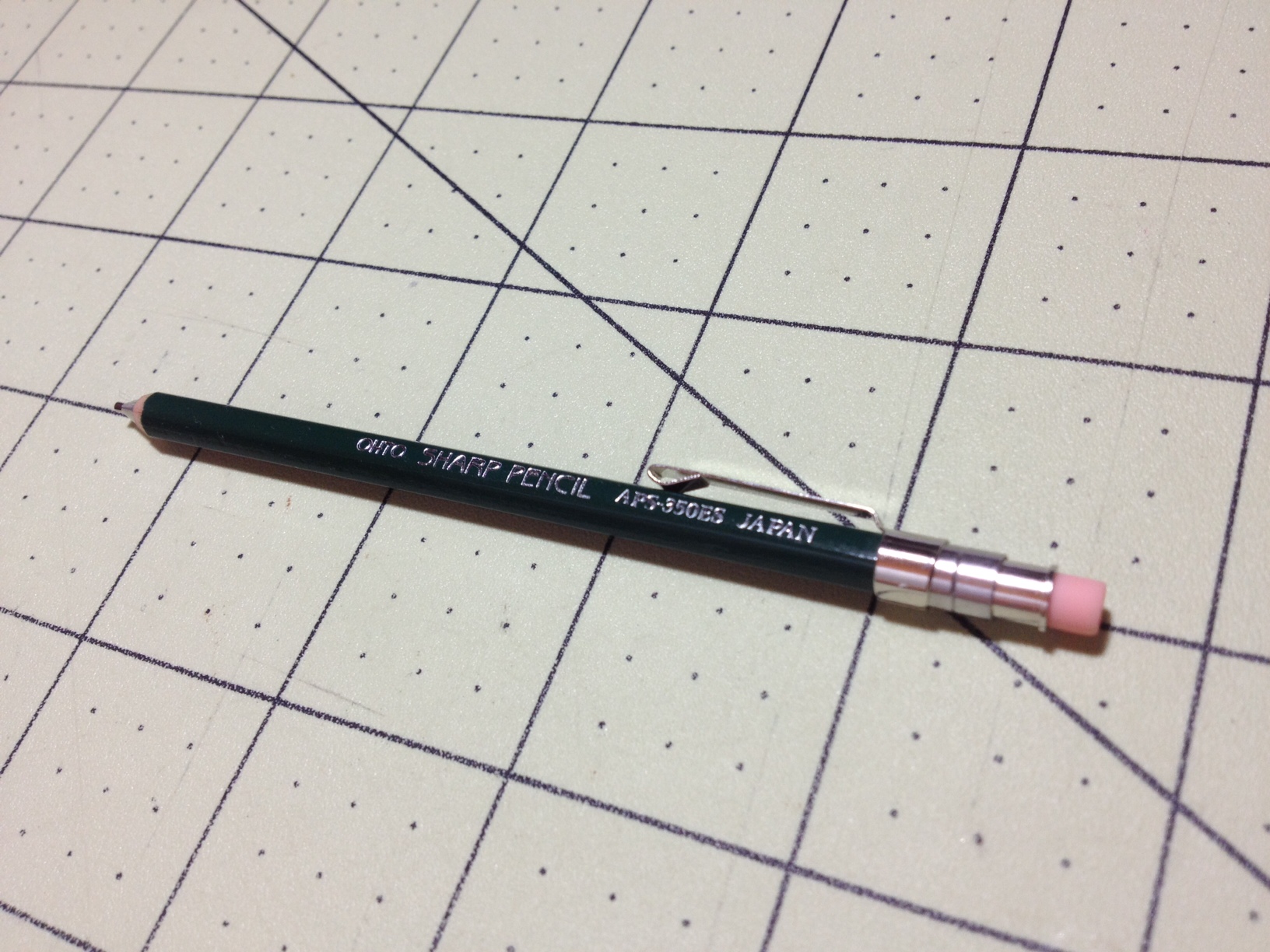
The design is meant to mimic a wooden pencil. The outside of the pencil is actually made of wood and has a hexagonal design. Mine is in green, with silver printed information on one facet. The tip is sharpened like a wood pencil until about halfway when it is replaced by a metal cone that leads to a very short lead pipe. On the back there is a clip that is a separate piece of metal bent around and friction fit. Beyond that is the click mechanism that is really only usable when the eraser holder is installed. The eraser holder is quite a simple piece of metal that keeps the lead in the feeder, depresses the click mechanism, and holds a very small eraser. The wire-thin piece of metal attaching this piece to the body seems rather flimsy and easy to remove, but I have had no problems with it shaking loose: it simply doesn’t have enough mass. Likewise I have encountered no problems with the quality of any of the components.

photo-163

The lead seems to be HB. I don’t have the package (which is rather understated and nice by the way) with me so I don’t know what it is exactly, but I have no complaints. It writes well, and can be sufficiently dark. The eraser also works surprisingly well for its size, with very little being used to rub away quite a bit, but I wouldn’t say it’s a great eraser. The click mechanism is satisfying and the lead is held very securely in place when one is using the pencil. The clip is also very good for the size, easily holding it in place while not damaging anything.

In the end, for on-the-go sketching or writing I would certainly recommend this product. I also wouldn’t recommend it at all for stationary or desk-related activities. It is very small, and while that makes it portable, it isn’t the most comfortable of writing implements. It will hold up very well in a bag or a pocket, and it looks quite neat in my opinion. I’d just say be careful of the back end being knocked loose and stock up on some extra erasers and lead (it only comes with one of each) as one will likely run through them pretty quickly.

Review – Faber-Castell Lux 034

Last week I talked about a Faber-Castell ballpoint pen that was made in Peru, the 033. And this week I will continue my talk of Peruvian pens with the Faber-Castell 034 in all of the standard colors: black, blue, and red. And these seem much more like a Faber-Castell version of the inexpensive Bics and Paper:Mates that are used all the time.

photo-159

The body is as simple as it can be. It’s a straight cylinder with a small bit of fluting on the end that allows to cap the grip when posted. There is also some fluting on the slight step-down that is the section, and it is surprisingly comfortable and grippy. From there, there is a fairly standard looking cone that leads to the metal tip. As far as I can tell this is not removable and thus the pen is not refillable. The cap is a single piece of plastic with the same fluting on the top, and it has a slight taper to catch the section. The clip is molded in and does work, but not very well since it doesn’t ever meet the cap or barrel.

photo-158

Writing is fairly smooth and nice. There is globbing and occasionally startup issues. Red seems to have more problems with the former while black the latter. All tips are on the fine side of medium, and aren’t shielded from air by the cap so they will have startup problems if left out for some time. The ink is water-resistant and office-friendly,with a grayish, warm black, a dark-ish blue, and a deeper red. They are pretty similar to a Bic Stic/Cristal and a Paper:Mate Write Bros. The main differences are a darker red color, and a smoother writing experience.

Overall, I’m happy with them, but I wouldn’t go out of my way to find them. The writing is as good or better than most of the pens of comparable price in the US, but the bodies are made of what feels like a much more brittle plastic and they are very light weight and get float-y when writing. They are a good, solid, cheap office pen.